
Add: Wanda Plaza, Fuqiao Street, Rencheng District, Jining City, Shandong Province, China
+86-18206519878
A pallet wrapper quotation may list powered pre-stretch, but that figure does not tell you how many grams of film your finished load will consume. For a useful comparison, measure film used across a defined trial and divide it by the number of loads that meet your agreed acceptance criteria. Keep the load, film and inspection conditions identifiable.
This guide is for buyers comparing turntable wrapping configurations or reviewing an existing wrap program. It provides a trial record, not a recommended tension setting or a transport-performance guarantee.
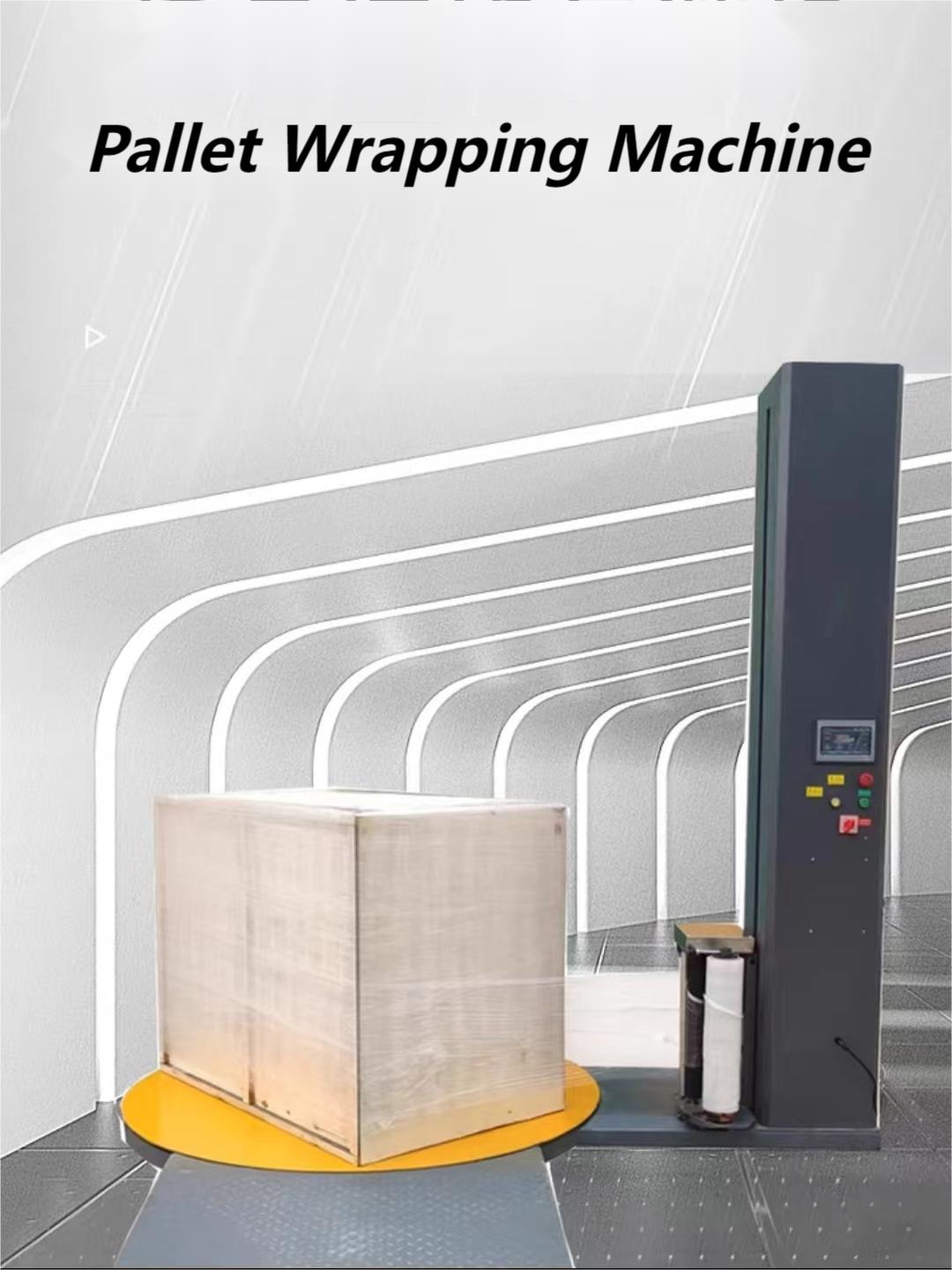
The KPW-T1650 pallet stretch wrapper lists powered pre-stretch up to 250% as standard. Its product page also describes selectable wrapping layers and top/bottom reinforcement. A pre-stretch capability is not a promise of the same percentage reduction in film use, and the maximum setting is not automatically the correct setting for a particular film and load.
Ask the supplier to identify the film, configuration and program behind any consumption estimate. Confirm what a quoted pre-stretch percentage means for that equipment rather than converting it directly into a cost-saving claim. T1850 is a custom configuration on the same product page; its supplied arrangement must be agreed separately.
Record the pallet footprint, loaded height, weight, stacking pattern and any overhang. Use representative loads, including the difficult pack shapes you expect to run. Comparing a short, rigid load with a taller, less stable one will not isolate a change in wrapping performance.
Agree observations before the trial: required coverage, reinforcement positions, film breaks, loose tails, product marking and visible load movement. Add the handling or storage checks required for your application, with the packaging specialist responsible for approving them. A tidy appearance at the wrapper does not establish performance throughout a distribution route.
If the selected machine needs a top platen, agree permitted contact and the actual supplied arrangement using the top-platen trial approval guide. Do not treat extra film as a substitute for reviewing an unstable load.
A practical measurement uses the difference between the gross mass of the same film roll before and after the trial. The same core and weighing supports must be included at both readings. Use a suitable scale, record its units and resolution, and choose a trial size that produces a clearly measurable difference.
Follow the machine's supplied safe-stop and roll-handling instructions when weighing or changing rolls. Do not reach into moving equipment or bypass guards to collect a measurement.
Illustrative arithmetic only: a trial consumes 0.48 kg of film and produces 12 accepted loads. Its result is 480 ÷ 12 = 40 g per accepted load. If the same consumption produces only 10 accepted loads, the result is 48 g. These numbers are not Keepway test results or a suggested consumption target.
When no load passes, record the trial as unsuccessful; there is no meaningful grams-per-accepted-load result to report. Keep the consumed film and failure observations in the record.
| Record for each run | Comparison rule |
|---|---|
| Load and film identifiers | Keep these constant when testing a program change. Label a film change as a separate comparison. |
| Program and configuration | Record approved settings and reinforcement. Change one variable at a time where practical. |
| Film used and accepted loads | Use the same trial boundary and acceptance criteria; include waste and rework consumption. |
| Elapsed time and interruptions | State whether loading, attachment, completion and unloading are included. Lower film use alone does not establish a faster station. |
| Immediate and later observations | Compare results at the same agreed inspection points and retain labelled photos. |
For a consumable-cost comparison, use film cost per kilogram on the same purchasing basis. Multiply kilograms per accepted load by that price. This estimates film cost only; it does not include labour, downtime, rejected products or the cost of the machine. Repeat the agreed comparison on representative runs before making a purchasing decision.
Trial date / operator / run ID:
Machine model and supplied configuration:
Load ID / footprint / height / weight / stack pattern:
Film supplier / product code / lot / width / thickness:
Approved program reference and changes:
Acceptance criteria and inspection times:
Trial boundary: setup included or excluded:
Scale units / resolution:
Starting roll mass / ending roll mass, for each roll:
Total film used:
Attempted loads / accepted loads / rejects / rewrapped loads:
Grams per accepted load:
Full elapsed time / interruptions:
Initial observations / later observations / photo references:
Accepted configuration / changes to review / approver:
Send the load dimensions, weight, photos, intended film specification and required finished-pack condition. Include the loading method and available space; the pallet wrapper loading access checklist covers that separate fit question. Ask for a proposed configuration and a trial scope that records film consumption, accepted loads and the complete handling cycle together.
Mobile:+86-18206519878
Tel:+86-18206519878
Whatsapp:8618206519878
Email:sales@kbwmachinery.com
Add:Wanda Plaza, Fuqiao Street, Rencheng District, Jining City, Shandong Province, China