
Add: Wanda Plaza, Fuqiao Street, Rencheng District, Jining City, Shandong Province, China
+86-18206519878
A cardboard recycling station needs a clear route from loose material to a bale that the collector can handle. Start with the material stream, its condition and the required finished bale. Press force is only one part of selection; loading, tying, discharge, storage and collection also determine whether a machine fits the operation.
Separate cardboard and paper from other materials and describe contamination, moisture, packaging size and any mixed contents. Send representative photos or samples. Record average and peak quantities with the time period and units, rather than relying only on the number of collection bins.
Confirm the collector's accepted material, bale dimensions, weight range and tying requirements. These details help establish chamber size, bale handling and storage space. Compression does not by itself establish an accepted recycling grade or a resale value.
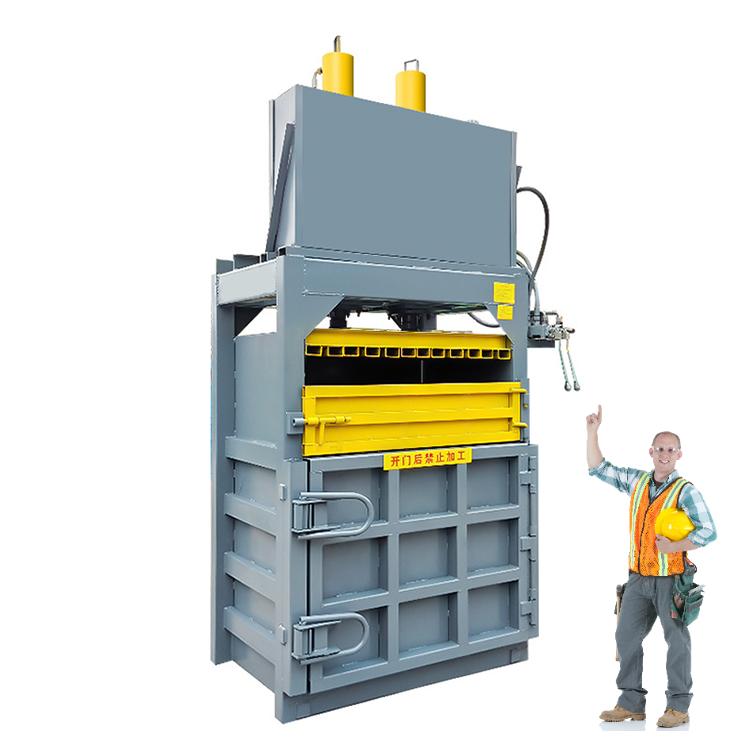
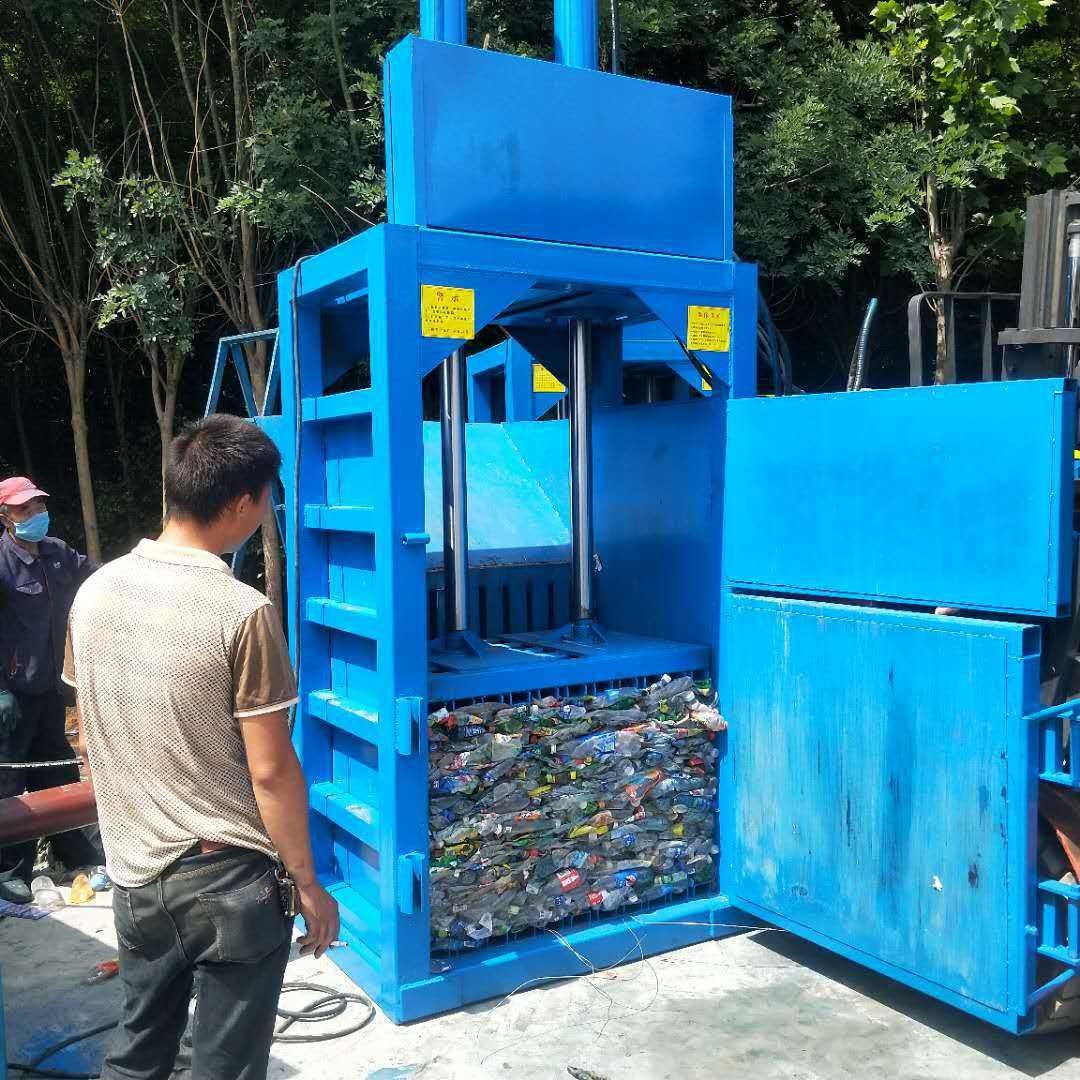
Review the vertical hydraulic baling press series when considering a dedicated loading point for suitable cardboard, paper or other specified materials. Check the feed opening, chamber, bale size and loading frequency. Include door access, bale removal and clearance around the machine in the layout review; the installed footprint includes more than the machine cabinet.
Review the horizontal baling equipment for cardboard for an operation that needs a horizontal feed-and-discharge arrangement. Define manual or conveyor feeding, tying method, bale handling and available line space. The product page lists several force options; actual output must be matched to the material, loading consistency and selected configuration.
If the site also processes metal scrap, assess that stream separately with the KPW-200T scrap metal baler. Provide the metal type, section, size, thickness and condition. A cardboard-baling requirement does not establish that the same machine is suitable for every metal, plastic or mixed waste stream.
Map where loose material is stored, how it is loaded, where a finished bale is discharged and how it reaches collection storage. Describe the handling equipment and operator access required at each stage. Ask the equipment review to address the selected tying and discharge arrangement, site power and the intended operating hours.
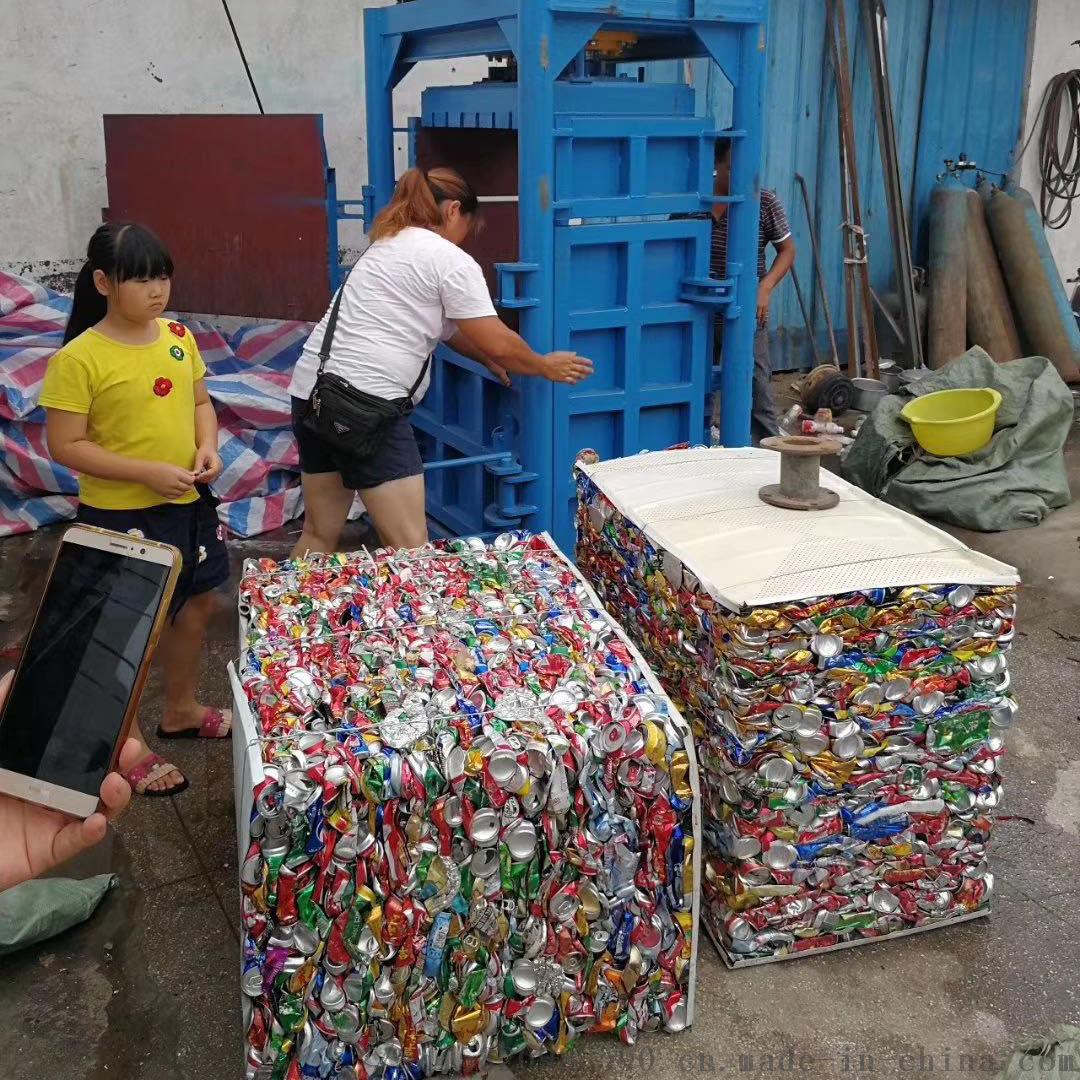
Use a representative material trial to assess the finished bale and cycle. Compare labor tasks, collection requirements and measured output against the present process. Avoid estimating savings from nominal press force or assuming that every collected material will achieve the same bale density.
Explore the baling machine range or send your material and bale requirements for a configuration review.
Mobile:+86-18206519878
Tel:+86-18206519878
Whatsapp:8618206519878
Email:sales@kbwmachinery.com
Add:Wanda Plaza, Fuqiao Street, Rencheng District, Jining City, Shandong Province, China