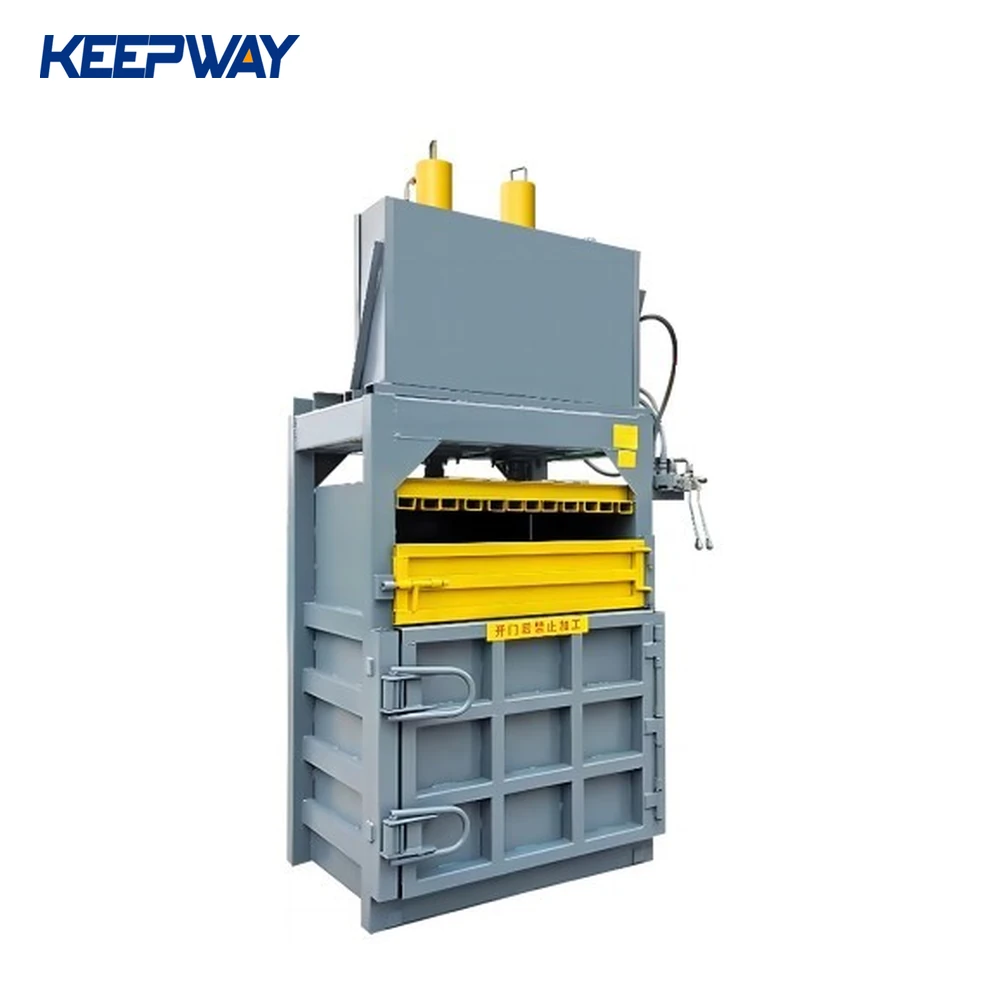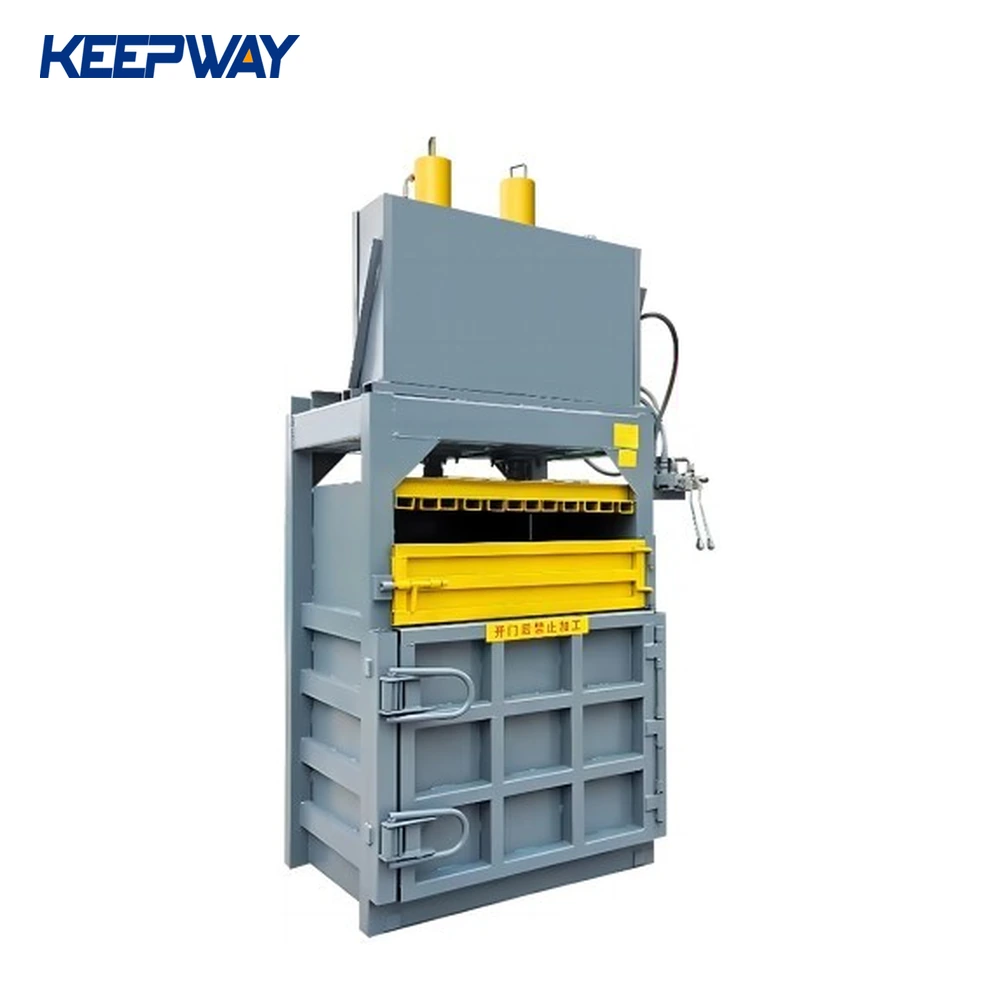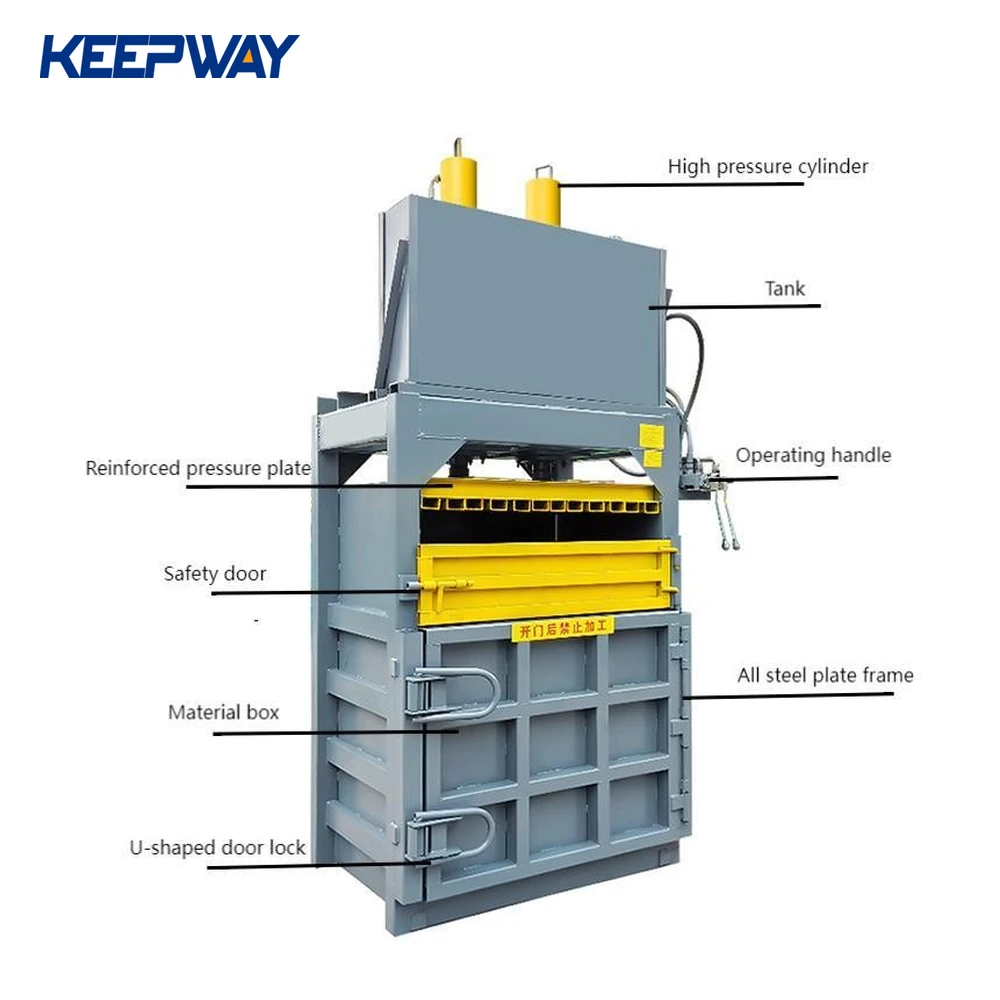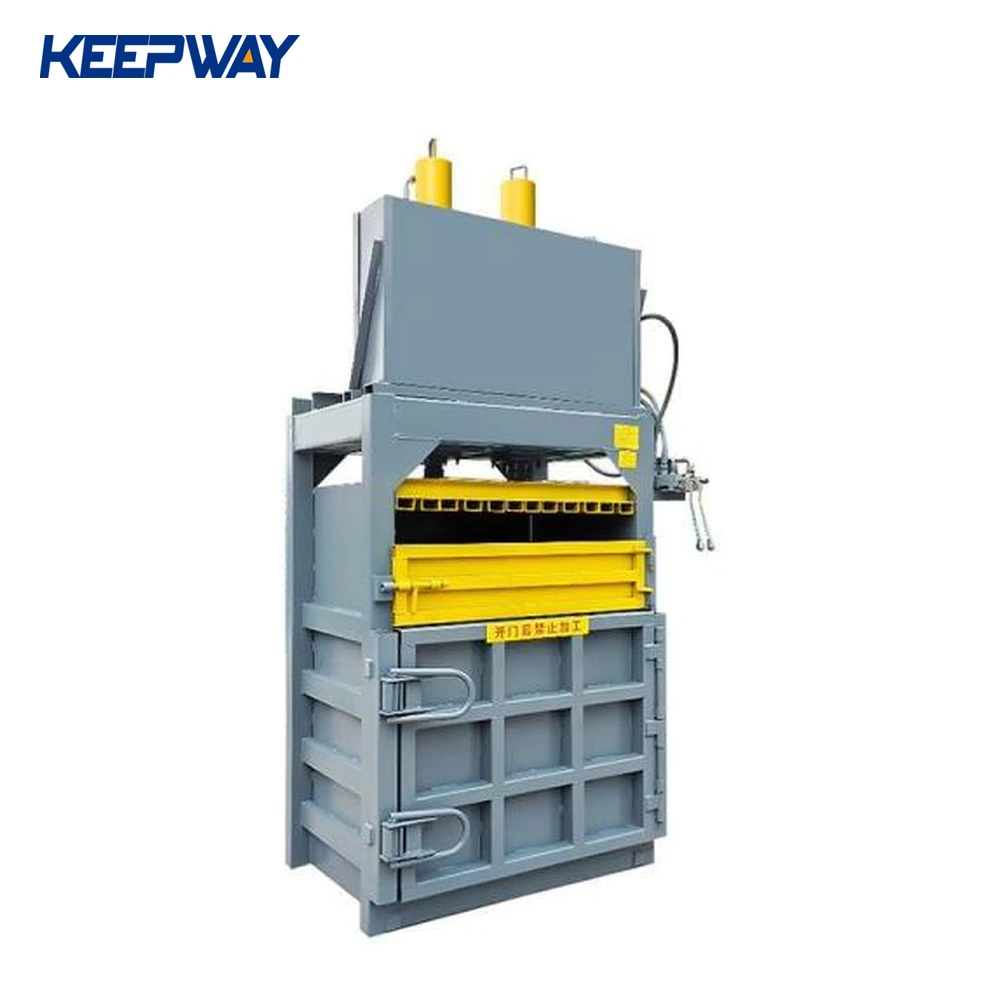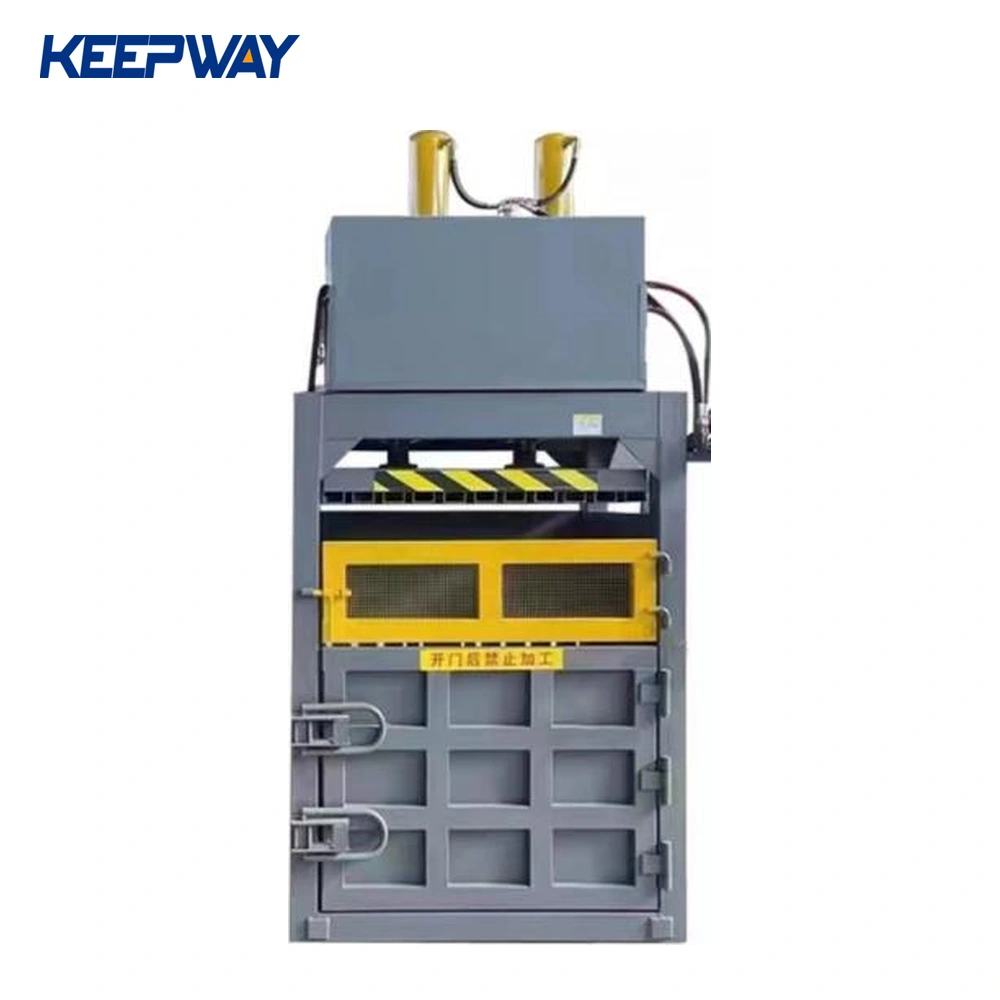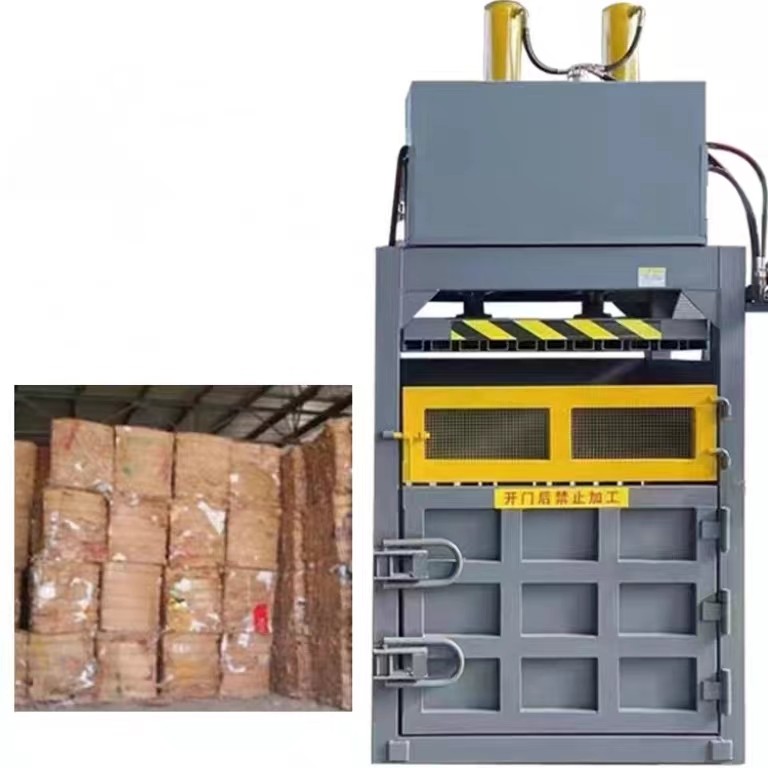
Vertical hydraulic baler
An 8–120 ton series for paper, cardboard, plastics and textiles, selected by material and bale requirements.
Manual binding is the listed arrangement; other options require confirmation.
View machine specifications →
Choose a hydraulic baler around the material you handle and the bale your operation needs. Keepway’s featured range covers vertical presses, horizontal cardboard balers and a dedicated scrap metal baler. These machines serve different loading, compression and bale-handling requirements.
Start with material photos, loose volume and the finished bale specification. Press force is one part of the decision: chamber dimensions, feeding method, binding and available installation space also affect which configuration fits your site.
An 8–120 ton series for paper, cardboard, plastics and textiles, selected by material and bale requirements.
Manual binding is the listed arrangement; other options require confirmation.
View machine specifications →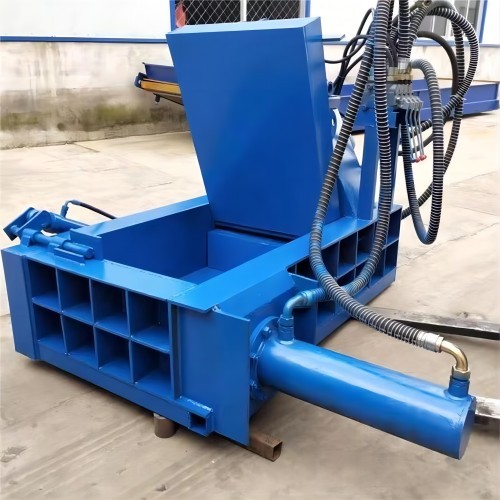
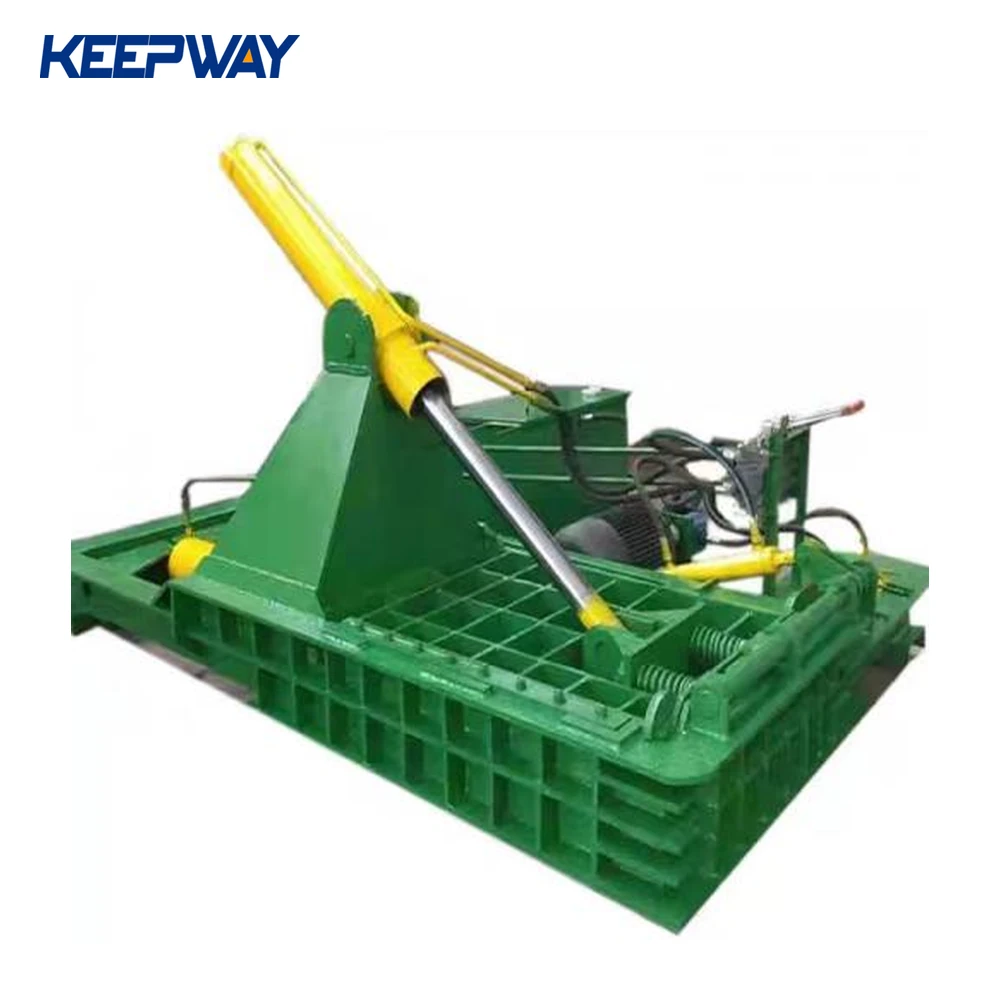
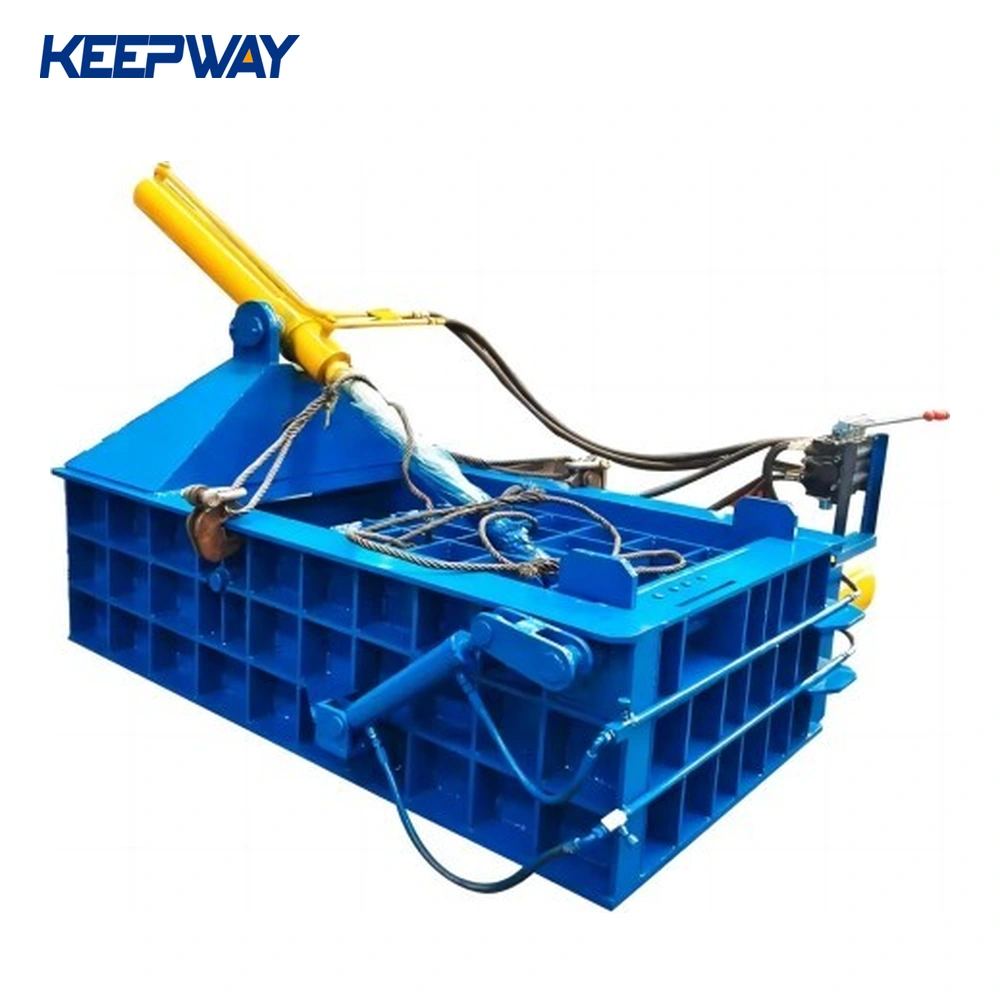
A dedicated route for steel, iron, aluminum and copper scrap, subject to piece size, shape and thickness.
The chamber and finished bale dimensions are configured for the application.
View machine specifications →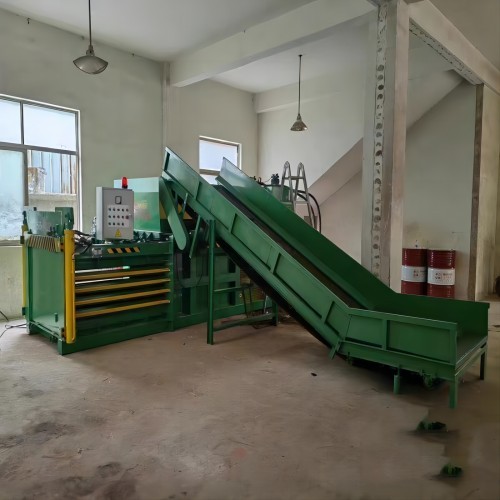
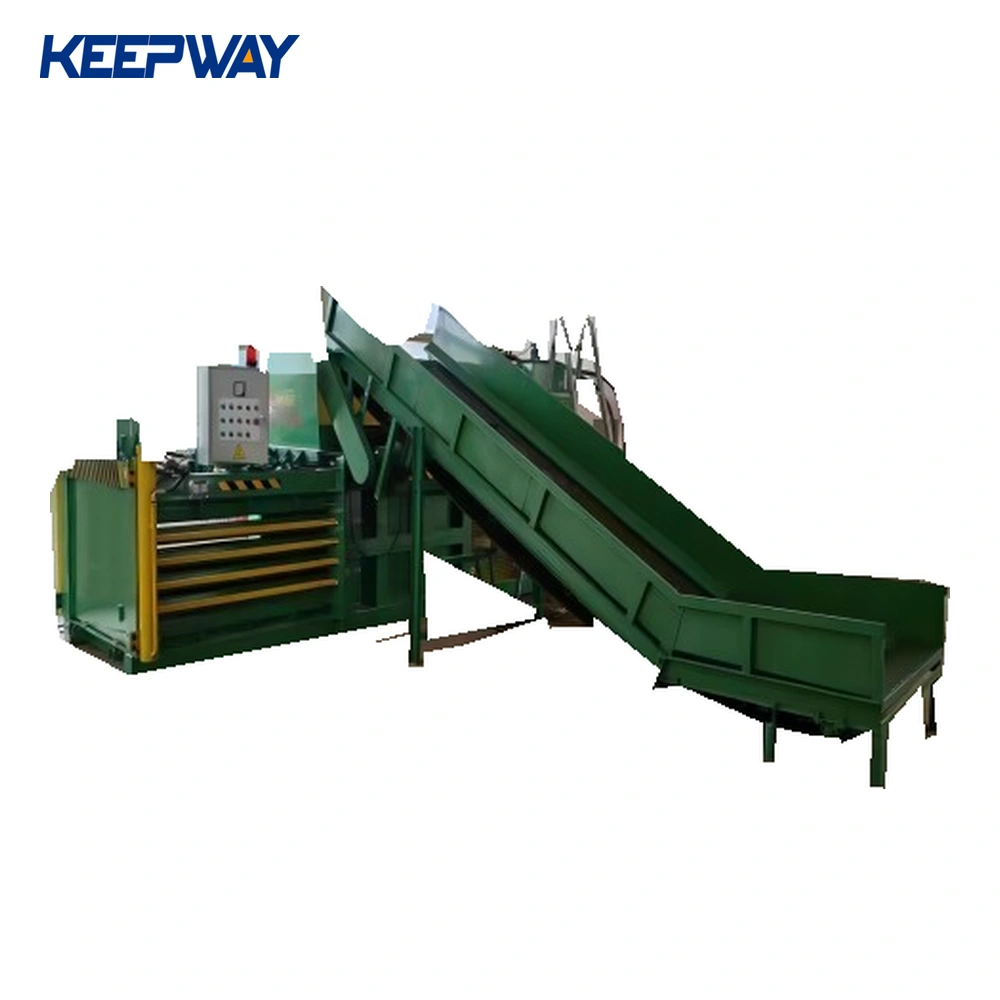
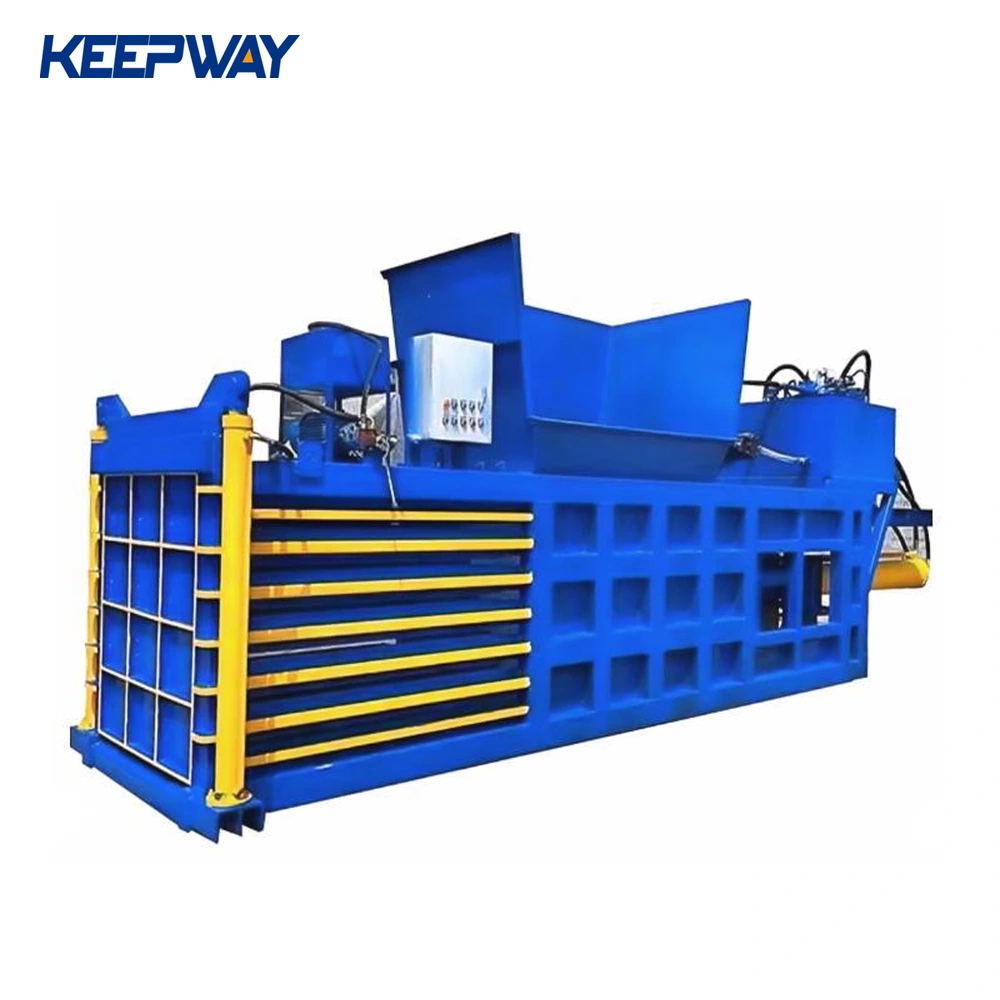
Compare the 60, 100, 120, 160 and 200 ton models for a larger-volume recyclable-material workflow.
Feeding conveyors and manual or automatic binding are selected for the project.
View machine specifications →| Your material or workflow | Start with | Check before selection |
|---|---|---|
| Cardboard, paper, plastic or textile waste with batch loading | Vertical hydraulic series | Loading access, ceiling height, bale removal and tying method |
| A sustained stream of cardboard or other suitable recyclables | Horizontal baler series | Material volume, feeding conveyor, binding and discharge space |
| Loose metal scrap or fabrication offcuts | Dedicated scrap metal baler | Metal type, thickness, maximum piece size and chamber dimensions |
Photograph the material before compression and describe how it reaches the baler. Include the amount generated during a normal shift and any peak loading period. State whether your target is a particular bale weight, a transport dimension or a requirement from the receiving recycler.
A compression cycle is only one step in the work. Allow for loading, tying and removal when discussing output. The vertical series lists manual binding, while the horizontal series offers manual or automatic binding configurations. The scrap metal model uses push-out discharge. Confirm these arrangements against the people and handling equipment at your site.
No. Material density, moisture, feed preparation and compression settings affect bale weight. Treat the values on the product page as reference values and assess them against your material and handling target.
No. The listed vertical range limits cans and selected metal materials to its 60, 80, 100 and 120 ton models. Suitability still depends on thickness and material condition. For a metal-scrap project, compare the dedicated metal baler as well.
Press force alone does not define throughput. Loading, material properties, chamber size, tying and bale removal all contribute to the complete operating cycle. Send the required hourly volume so the full workflow can be reviewed.
The scrap metal page lists configurable chamber and bale dimensions. Other baler options depend on the selected series and model. State the dimensions you need and confirm the final configuration in the quotation.
Send material photos, daily or hourly volume, target bale dimensions and weight, loading and tying preferences, site dimensions, local power supply and destination country.
Share the material, required bale and site layout. This information allows the machine, loading arrangement and handling requirements to be reviewed together.
Send baling requirementsMobile:+86-18206519878
Tel:+86-18206519878
Whatsapp:8618206519878
Email:sales@kbwmachinery.com
Add:Wanda Plaza, Fuqiao Street, Rencheng District, Jining City, Shandong Province, China