Add: Wanda Plaza, Fuqiao Street, Rencheng District, Jining City, Shandong Province, China
+86-18206519878
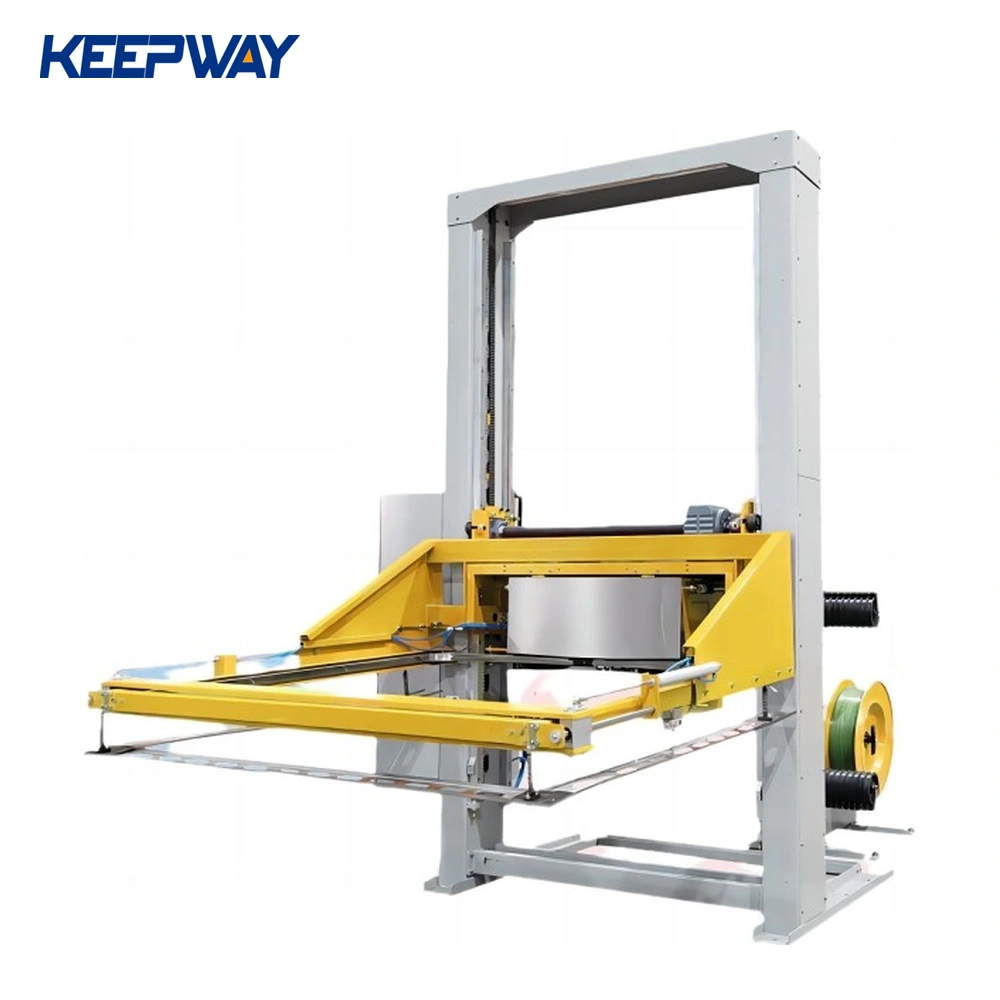
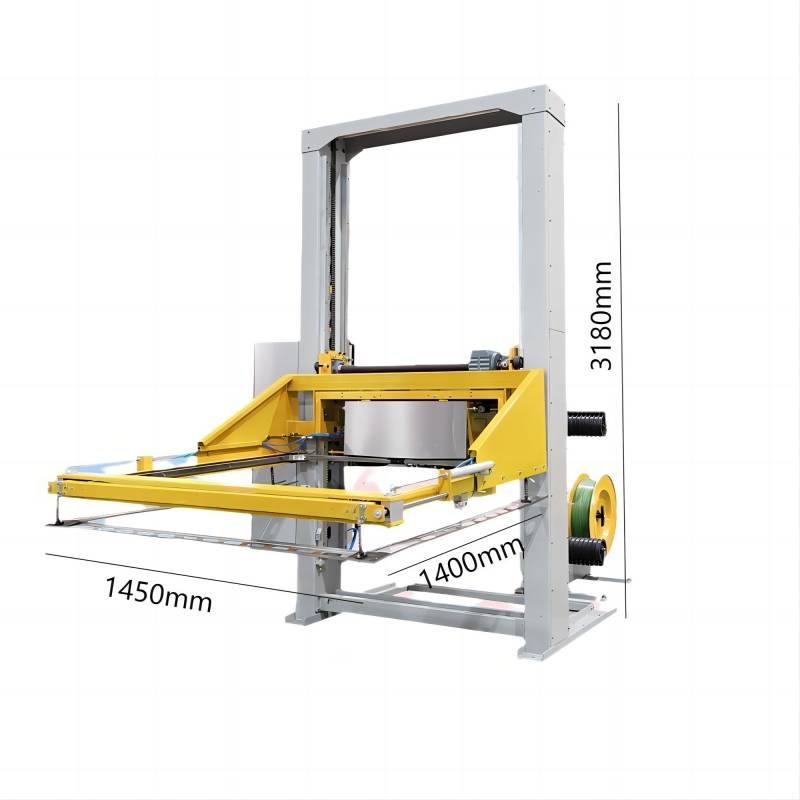
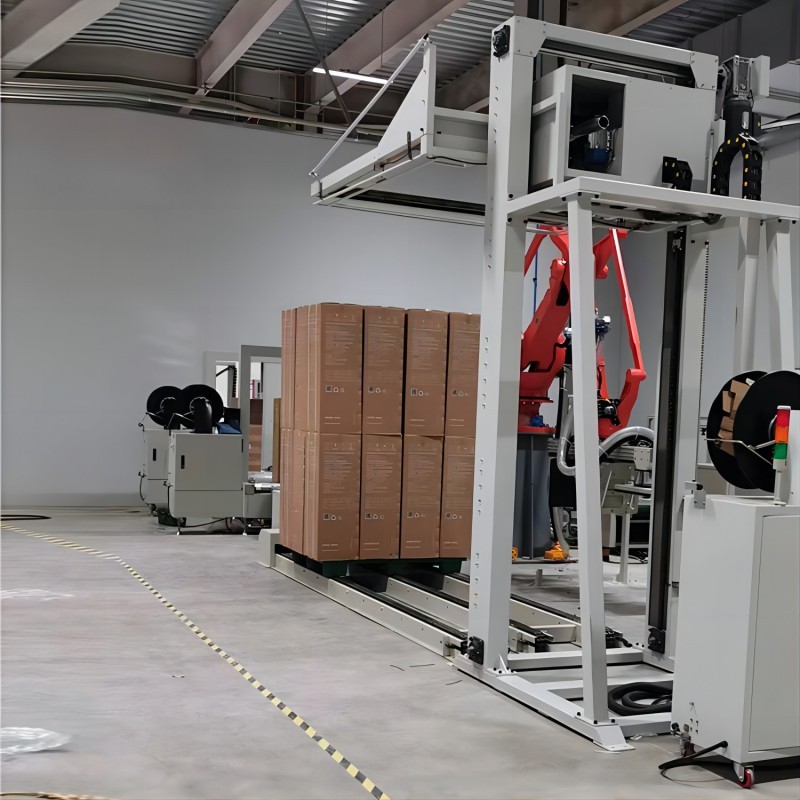
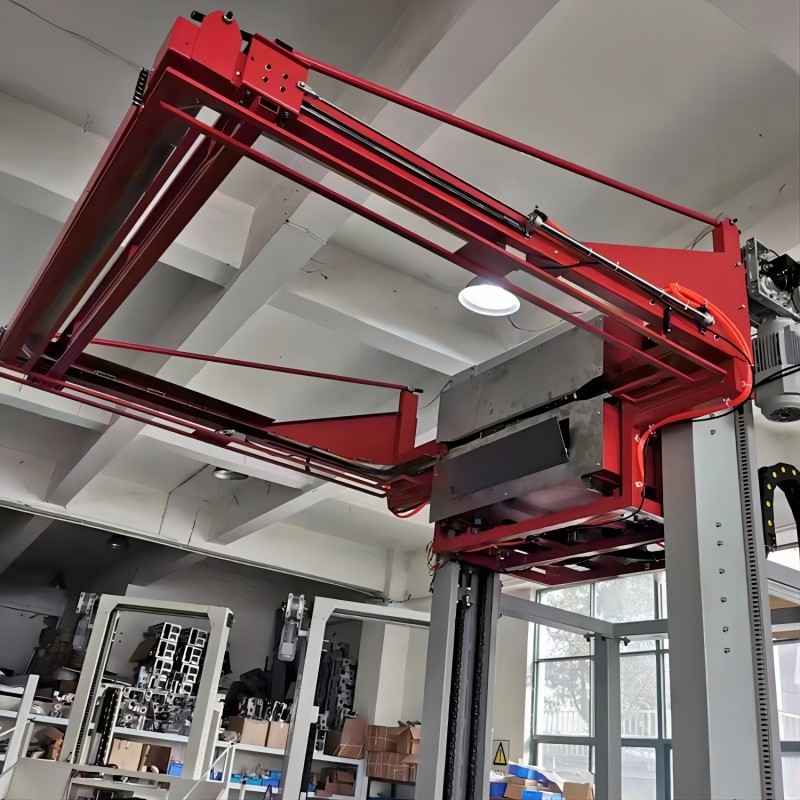
Use the actual stack pattern, strap and intended corner protection. After normal handling, inspect the band contact points for chipped edges and shifted rows.
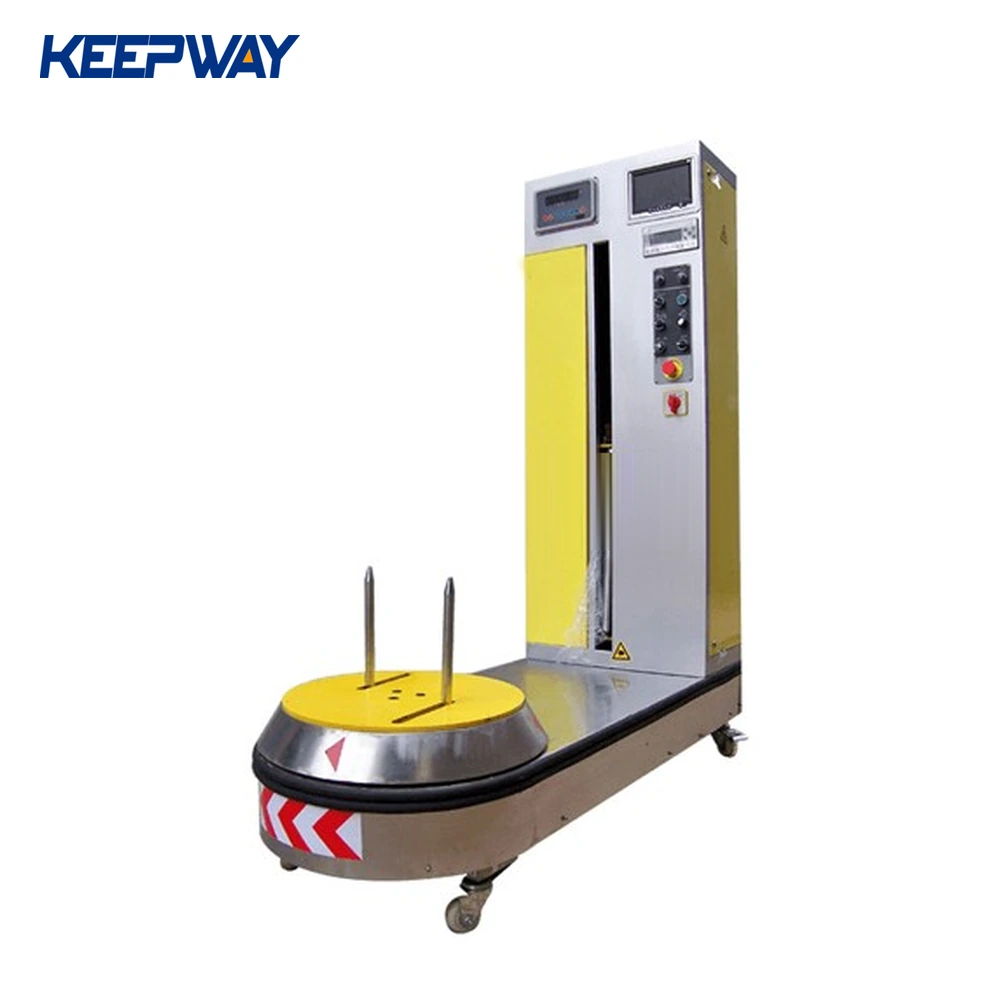
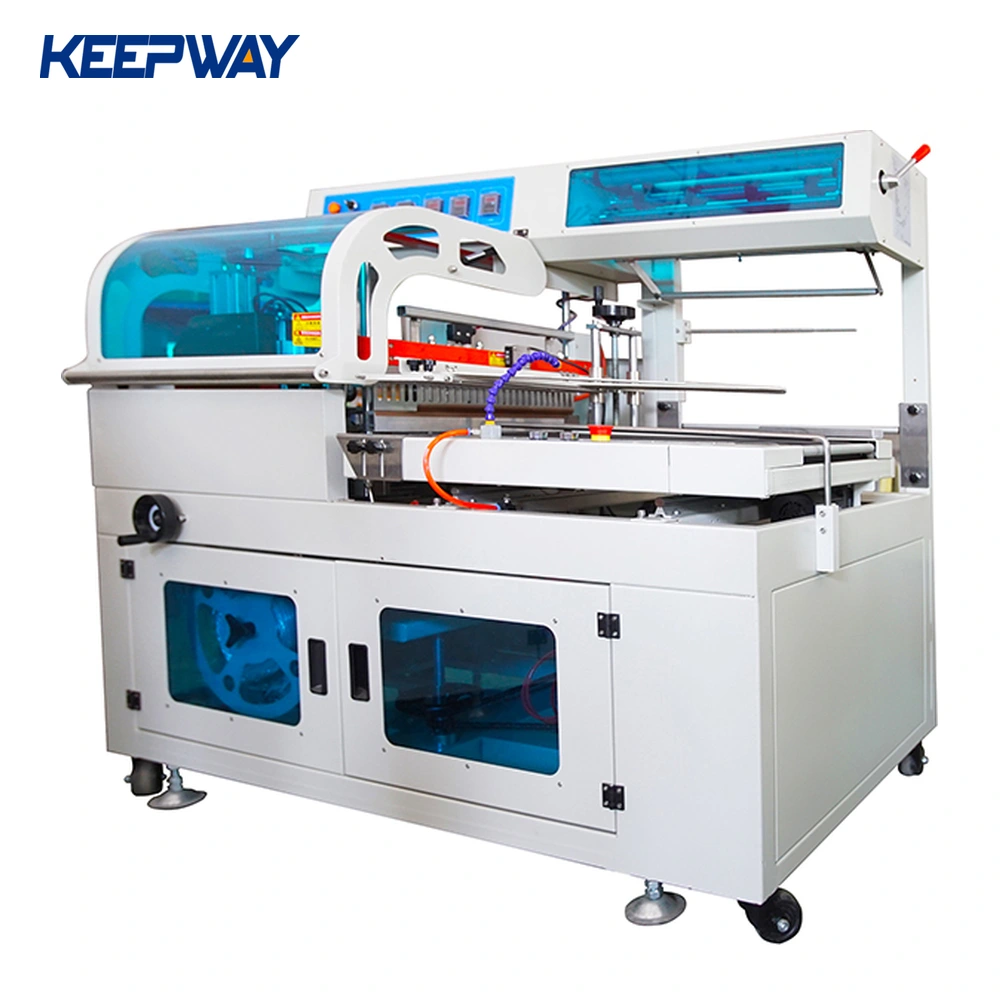
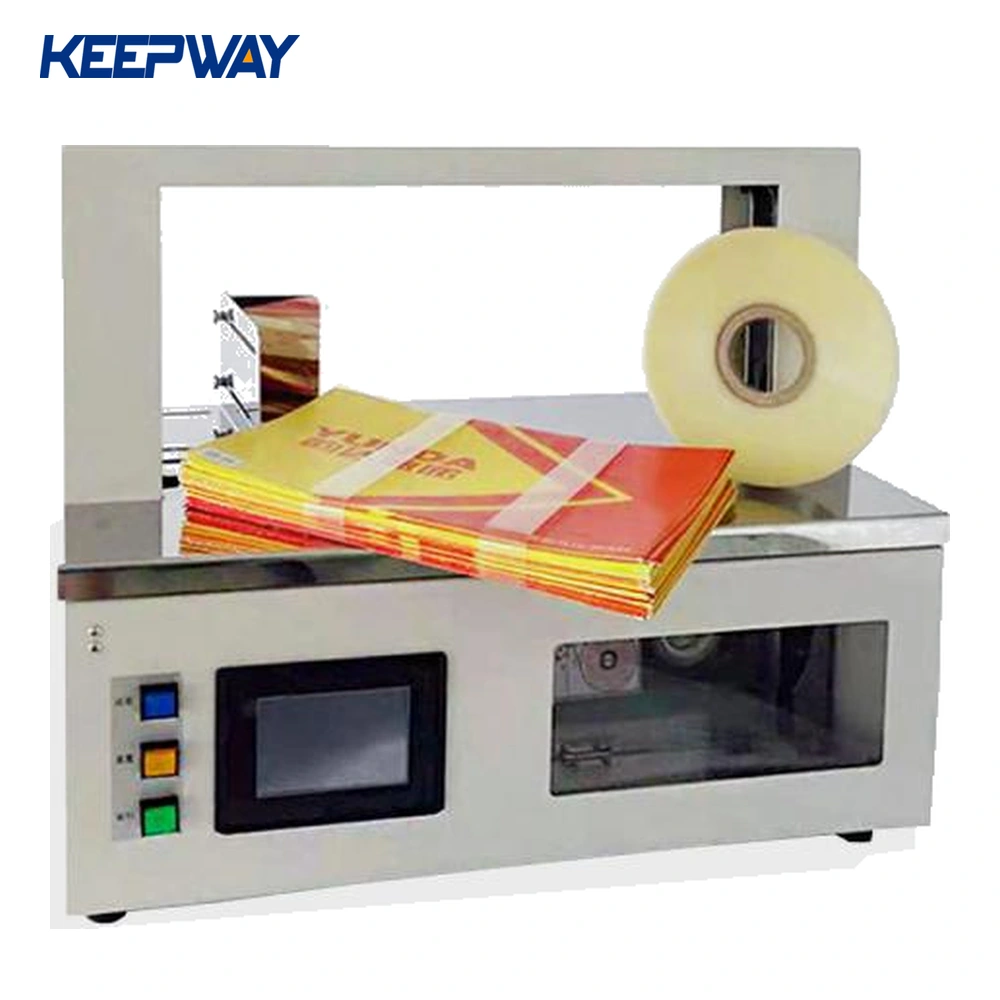
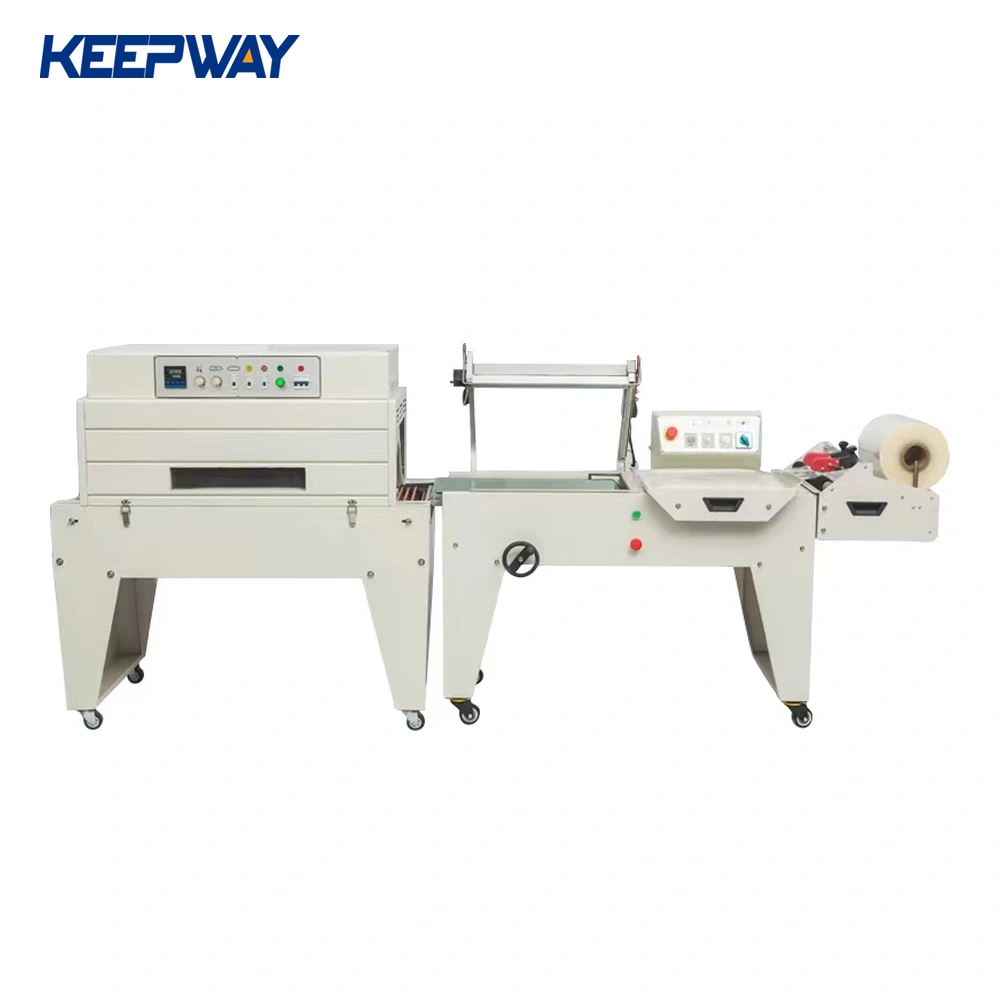
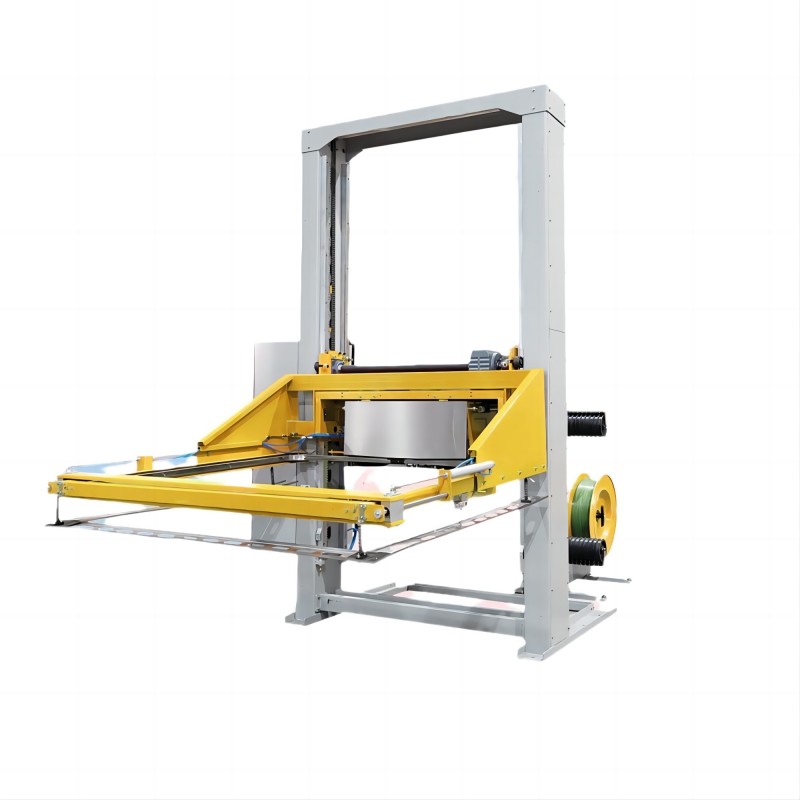
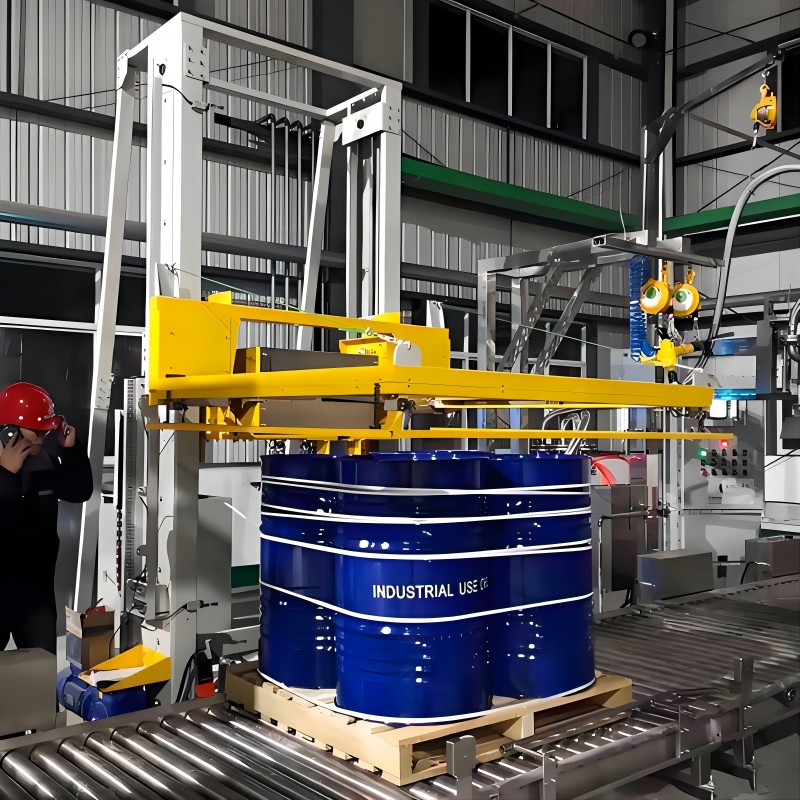
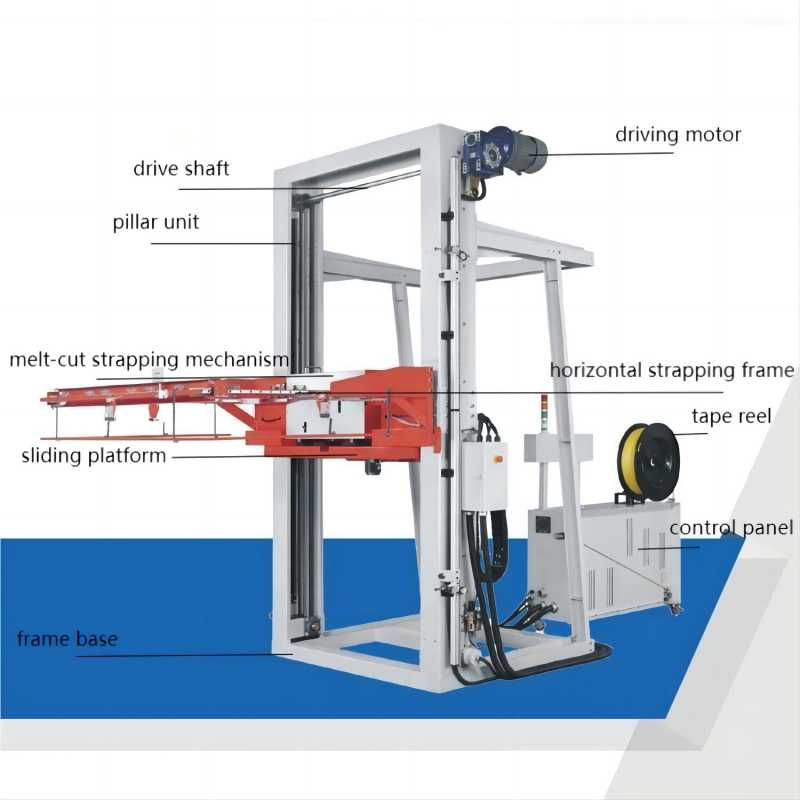
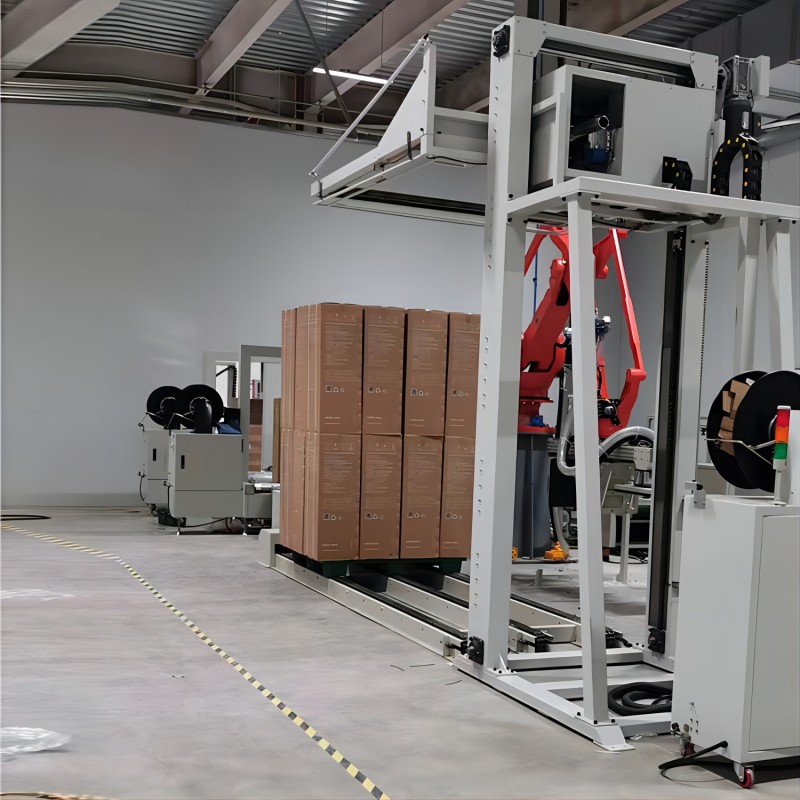
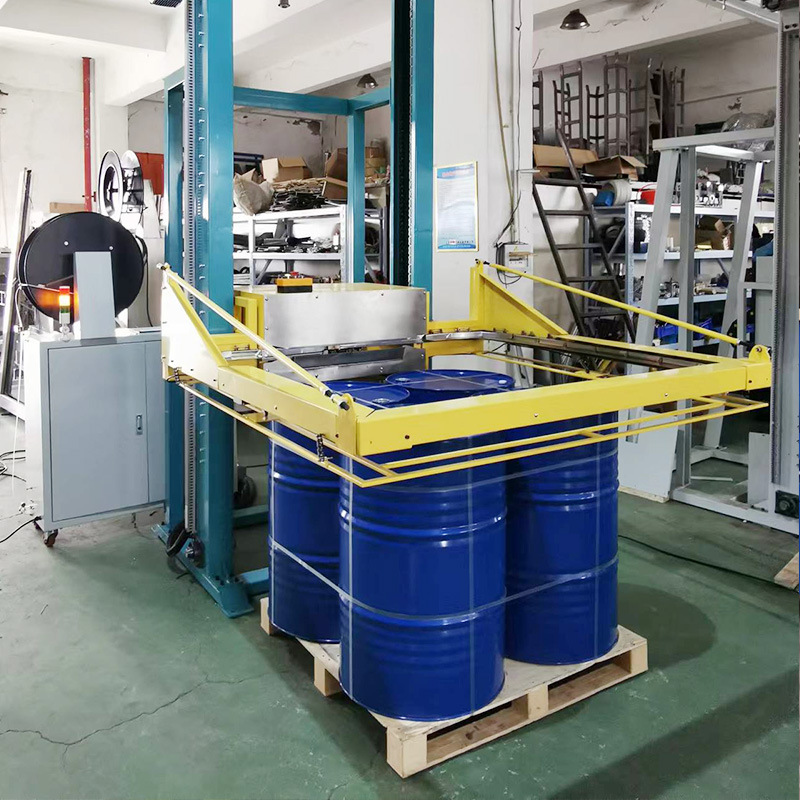
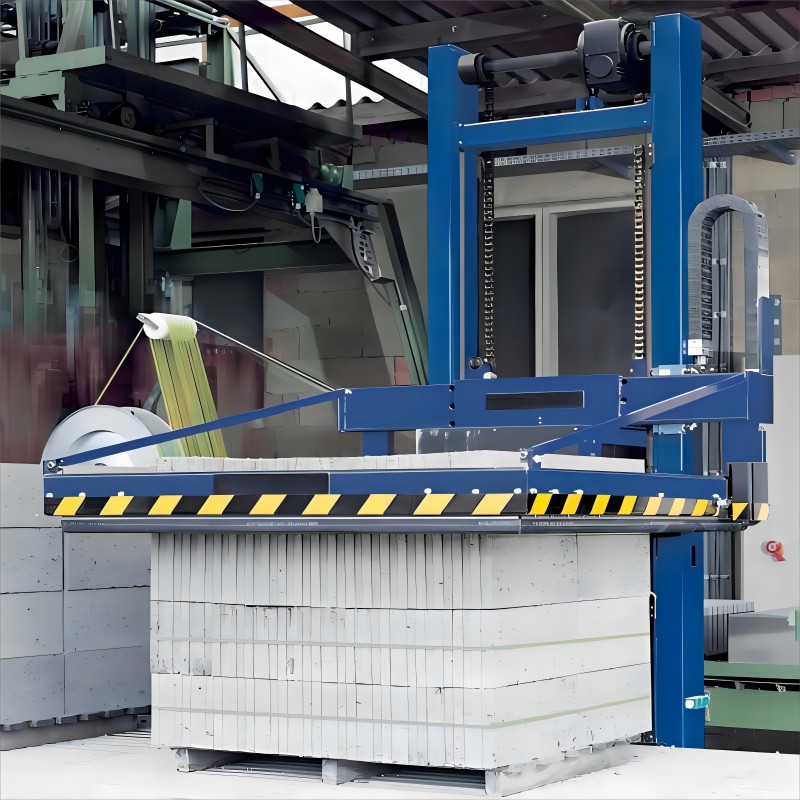
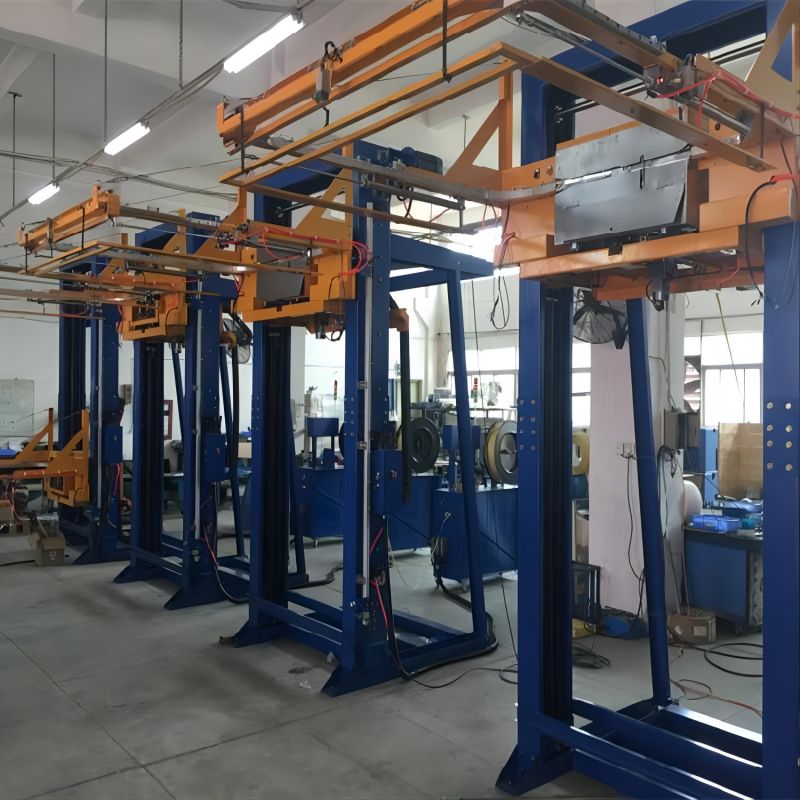
View machine photos in the gallery — Existing product image. Quotation and approved drawings define the supplied configuration.
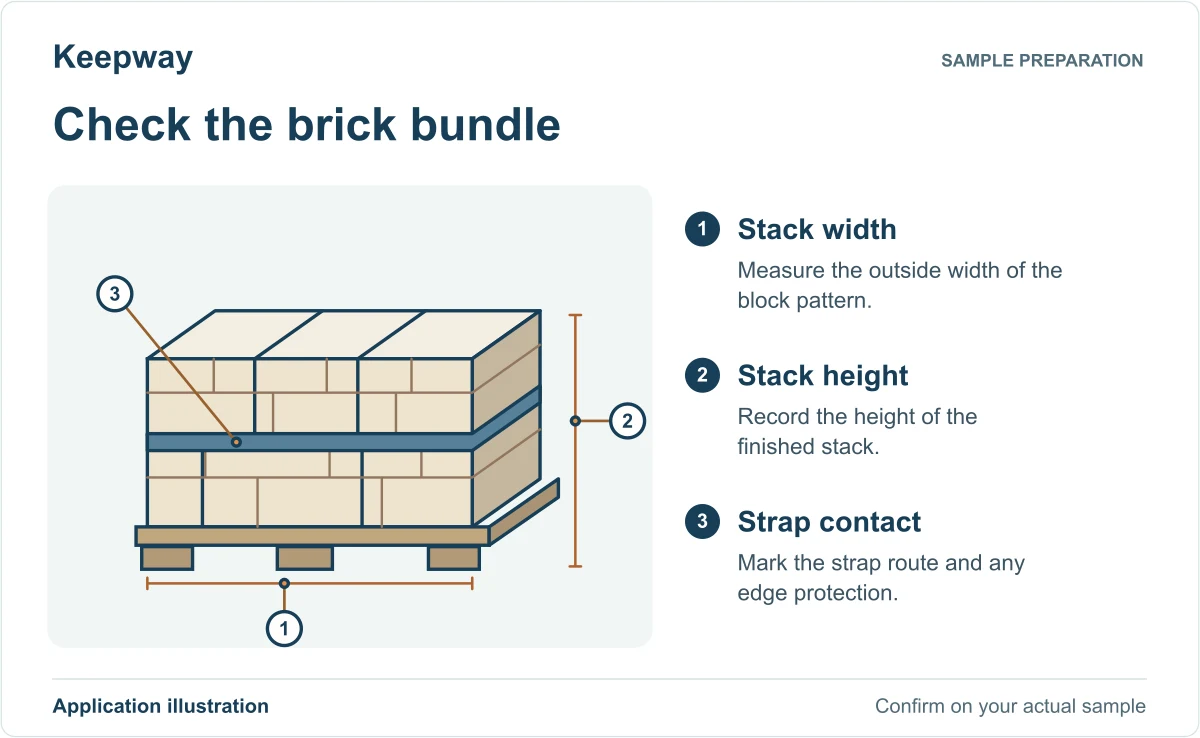
Brick/block pack review · Edge contact to assess · No lifting rating implied
Send photographs and a stacking drawing, brick/block dimensions, pack weight, proposed band levels, strap details, required edge protection and your actual storage and handling sequence.
Provide individual brick or block dimensions, layers, gaps, pallet outline and the full pack weight. Include brittle corners and any surface condition that affects how a band contacts the pack.
Discuss strap material, width, thickness and joint together with any edge protectors, bearers or other support. These are application decisions to confirm, not accessories assumed to be included in every machine.
Record band position, joint condition, chipped edges and movement during the agreed trial. Shipping protection and any lifting requirement need their own specification; do not treat the packing strap as a certified lifting attachment.
Compare strapping with stretch wrapping · Compare mobile threading and a fixed pallet station
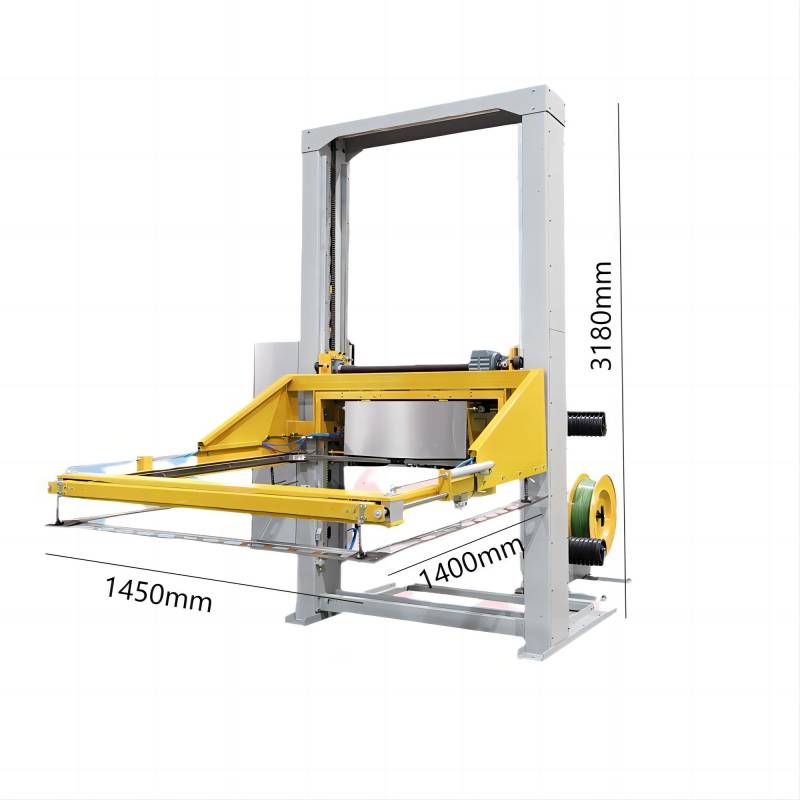
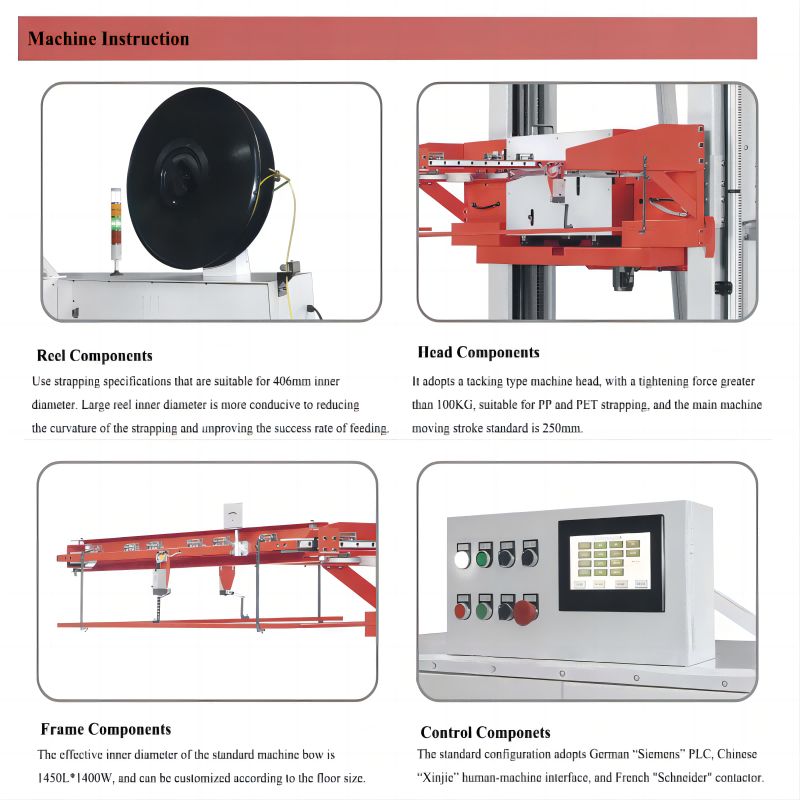
Full automatic horizontal pallet strapping machine
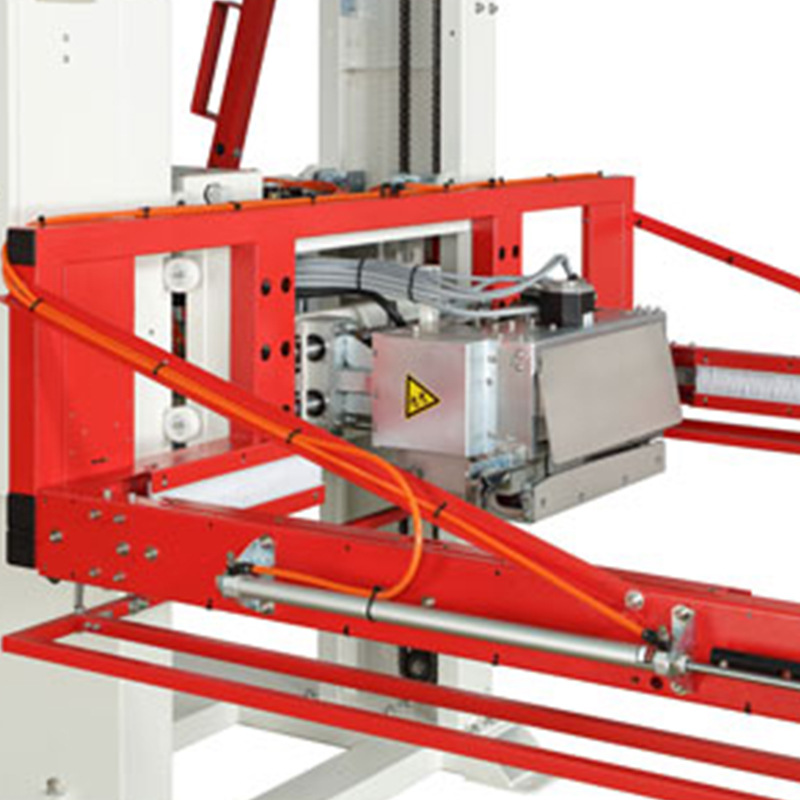
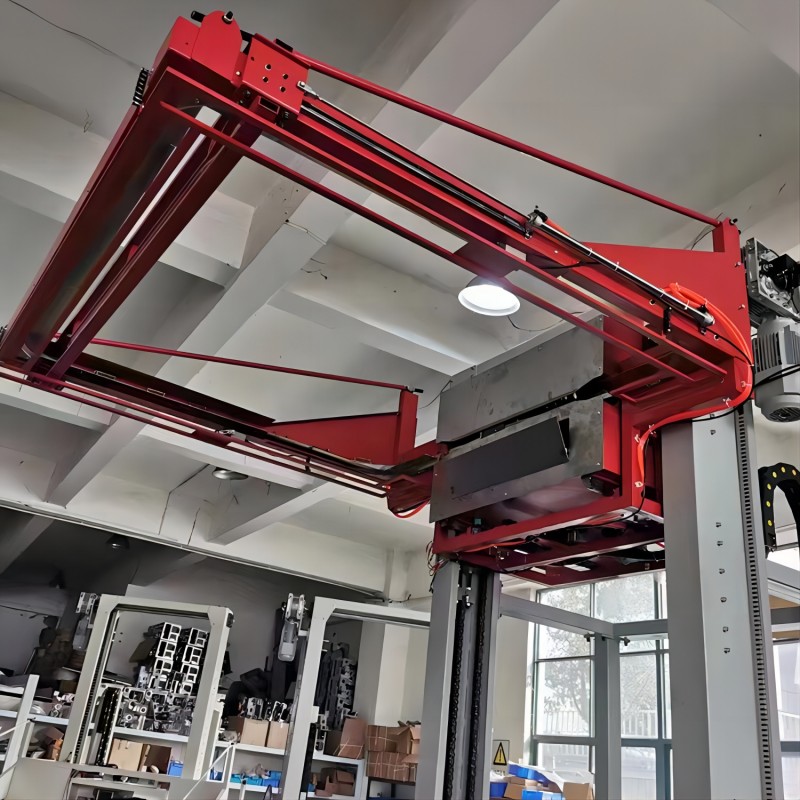
For a proposed brick or block pack, select a horizontal strapping arrangement against the actual stacking pattern, edges, weight and handling route. The equipment photographs illustrate the frame; they are not proof of an approved brick-pack trial or a particular lifting capacity. Ask for a material-specific review before agreeing the configuration. Review the horizontal pallet strapping machine selection information for the common load-planning principles.
Mobile:+86-18206519878
Tel:+86-18206519878
Whatsapp:8618206519878
Email:sales@kbwmachinery.com
Add:Wanda Plaza, Fuqiao Street, Rencheng District, Jining City, Shandong Province, China