
A neat row of finished powder sticks is useful evidence, but it does not explain how each lane performed or which conditions produced the samples. Before choosing a machine or accepting a trial result, turn the demonstration into a small, traceable record. This checklist helps a buyer agree what to test, keep lane results separate and identify what still needs confirmation.
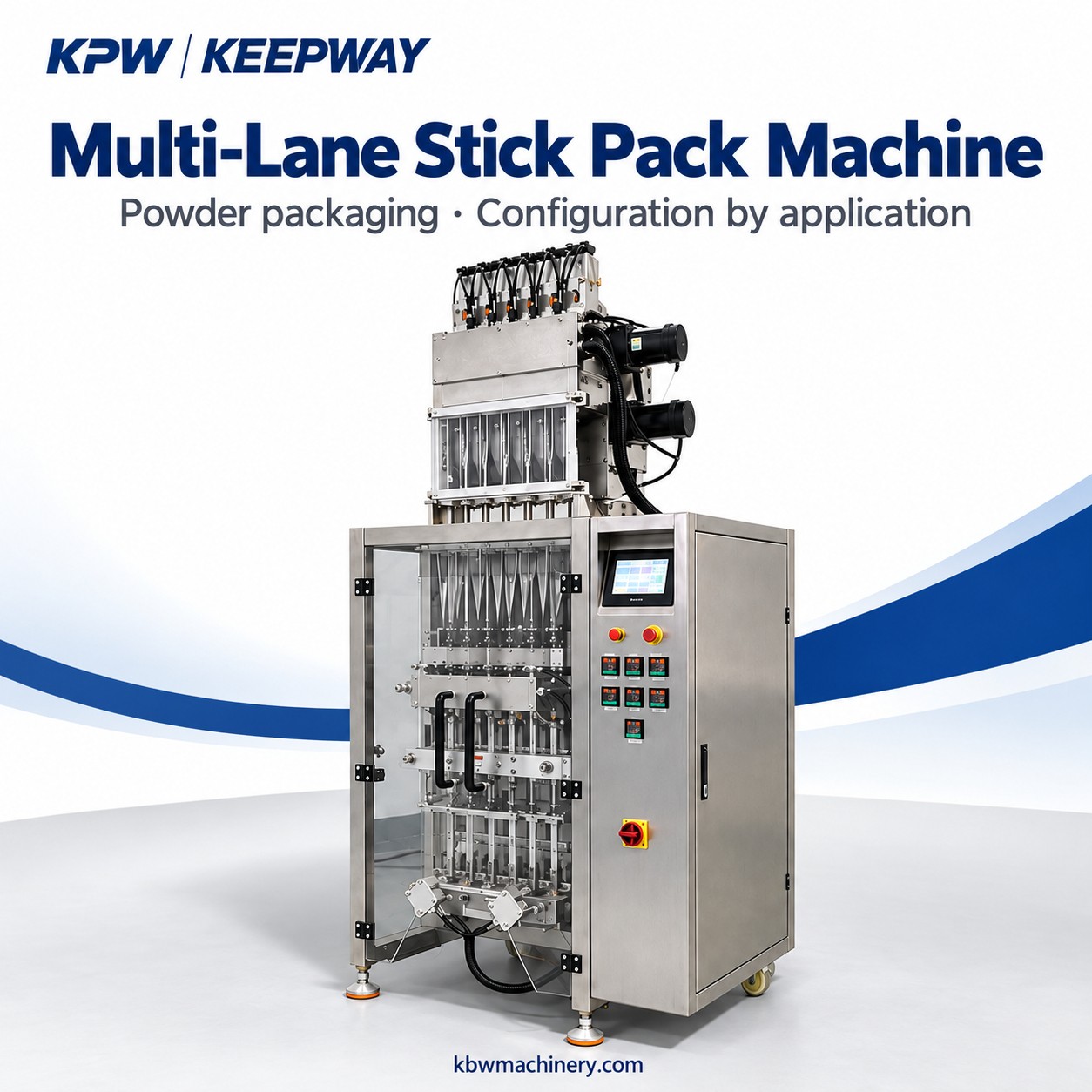
For equipment scope, see Keepway's multi-lane powder stick pack packaging machine. The checklist below is a suggested purchasing worksheet, not a published accuracy guarantee, a regulatory acceptance standard or confirmation that a particular test service is included.
1. Agree the question before preparing samples
Write down the decision the trial must support. Are you checking one powder and one stick size, comparing proposed configurations, or reviewing a specific problem such as powder in the seal area? Keep that question visible on the report. A trial intended to demonstrate a pack format should not later be presented as proof of sustained production output.
Agree the target dose, acceptable variation, pack drawing, inspection methods, sampling approach and run duration with the supplier before the run. Leave an item marked “not agreed” rather than applying a tolerance found on another machine's brochure. The agreed limits must suit the product and your quality requirements.
2. Give the powder, film and configuration their own identities
Record the powder name and batch reference, any relevant handling condition, the film reference and the finished-pack drawing revision. Note whether the material actually used matches the proposed production material. An unprinted trial film, a substitute powder or a different dose may answer a narrower question than the final production brief.
Identify the machine tested, installed lane arrangement and active lanes. Record the settings supplied with the test report without assuming that a photographed machine has the same configuration as the quotation. If a proposed feature is not demonstrated, list it as unverified rather than treating it as standard equipment.
3. Keep a separate result for every active lane
Ask the operator to label samples so the lane and collection point remain identifiable. Do not combine all packs into one average before reviewing the individual measurements: a combined number can conceal differences between lanes. Keep the original measurements alongside any summary.
For fill checks, state whether the recorded weight is gross pack weight or net product weight, how tare is handled, and which measuring instrument is used. Agree the sampling quantity and measurement procedure rather than choosing a convenient number after seeing the results. Record exceptions as well as the best-looking samples.
Use the following worksheet once for each active lane. It is a blank record structure; the buyer and supplier should agree the actual limits and methods.
| Record field | What to enter |
|---|---|
| Run and lane identity | Date, run reference, machine reference, lane identifier and collection time or stage. |
| Material references | Powder batch, film reference, pack drawing and any substitution from the agreed brief. |
| Fill-weight check | Agreed target and limits, measurement method, individual readings and exceptions. |
| Seal and pack check | Inspection method, observed seal condition, powder at the seal area, cut position and printed-pack alignment where relevant. |
| Result and evidence | Pass, fail or not assessed against each agreed criterion; sample or photo references; reviewer and unresolved questions. |
4. Inspect seals and presentation without overstating the result
Review the seal area, cut position and overall pack appearance on the labelled samples. If printed film is used, compare the print and cut relationship with the agreed artwork or drawing. Record a visible defect precisely rather than describing every problem as “poor sealing.”
Visual inspection and a specified seal test answer different questions. If your acceptance requires a particular seal-strength or leak-test method, agree it and record its result separately. An attractive pack, a photograph or a hand check alone should not be described as proof of shelf life or transport performance. Those questions require their own agreed evidence.
5. Separate machine movement from accepted output
Record the observation period, active lanes, packs produced, rejected packs and reasons, and any stops included in the timing. State clearly whether an output figure describes the machine while running or the complete observed period, including interruptions. Comparing unlike timing methods can make two trials look more different than they are.
A practical purchasing measure is the number of packs accepted under the agreed checks divided by the stated elapsed time. Keep that result separate from nominal cycles, total formed packs and per-lane catalogue speed. Do not extrapolate a short demonstration into a guaranteed shift output.
6. List what the trial did not cover
One successful combination does not settle every proposed product, film or pack size. Use an open-items list for untested variants. If refill, restart, cleaning or format changeover matters to the purchasing decision, agree a separate observation with trained operators and the applicable safe operating procedure. Record what was actually demonstrated; do not invent a changeover time.
Close the review with a simple decision: accepted for the stated trial scope, accepted subject to named conditions, or further testing required. Assign each open item an evidence requirement and a person responsible for confirming it. Preserve the run record and sample references so a later revision can be compared with the same baseline.
Prepare a focused configuration enquiry
For Keepway's KPW-420-4K / KPW-420-6K discussion, provide your powder, target dose, finished-stick drawing, film information and required accepted output. Refer to the current powder stick pack product page for the published model information; final suitability and configuration need confirmation for the actual application.
If you are still selecting a pack format, review the vertical packing machine range. When the brief is ready, send your powder packing requirements with the trial questions you need answered. Ask which evaluation steps are available and included before sending materials or making acceptance commitments.