strap belt pallet threading machine
Check pallet access, load conditions and the selected threading-and-sealing arrangement before specifying equipment
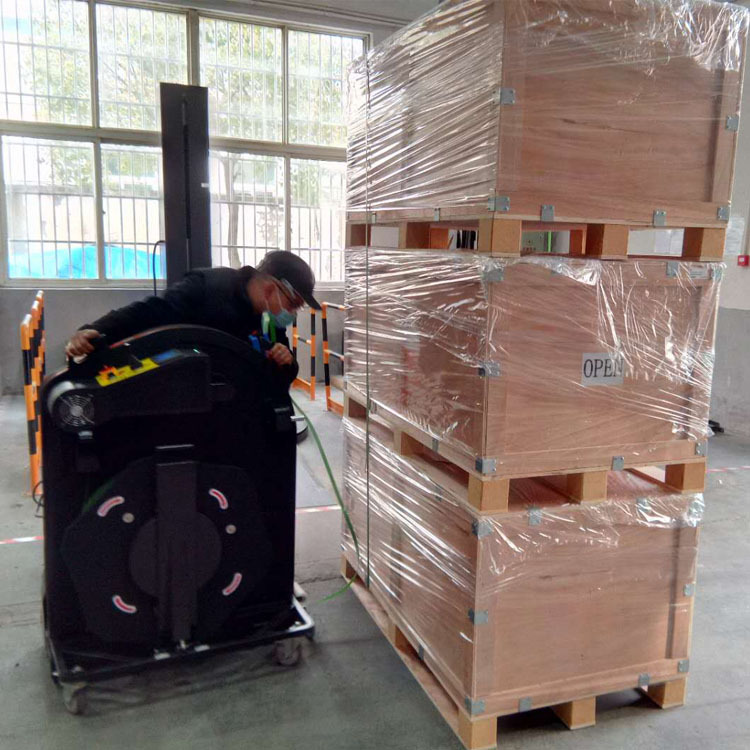
Pallet strap threading: application fit and trial requirements
I. Functional introduction
Pallet strap threading is one step in preparing a strapped load. Compare the TP-800 threading configuration as an existing option, then confirm the pallet, load, strap and selected sealing head together. Threading alone does not establish load stability during transport or storage.
Powered threading and operator handoff
The TP-800 product description states that the chain carries the strap beneath and around the load, then delivers it to the operator. The operator takes the strap and places it in the strapping head for tensioning and welding. Confirm the actual controls and handling sequence for the supplied configuration; do not assume automatic path planning or buckle fixing.
Selected tensioning and sealing head
Confirm the head model, approved strap specification and adjustment procedure together. Test the finished joint, strap position and product marking on the intended load; adjustment alone does not guarantee freedom from damage or loosening.
Confirm strap material compatibility
The referenced TP-800 listing specifies PP / PET strap. Confirm the actual width, thickness and head compatibility with the quotation. It does not establish compatibility with polyester fibre cord or a universal load-weight capacity.
Verify the supplied safety arrangements
Request the instructions and safety information for the selected machine and head. Confirm stop functions, guards, operator access and fault response for that configuration; this overview does not verify an emergency-stop, overload or alarm specification.
2. Application scenarios and scope
Logistics and warehousing industry
Proposed application: Palletized appliances, building materials or other warehouse goods, subject to confirmation of the actual pallet openings, load profile and strap path.
Trial checks: Observe access, positioning, threading, operator handoff and movement between pallets under the intended working conditions.
Manufacturing and production lines
Proposed application: Palletized manufactured components or equipment. Any required shock, tilt or transport restraint performance needs a load-specific packaging assessment.
Trial checks: Confirm the people, clearance and handling equipment required for the complete job rather than assuming one-person operation is suitable for every load.
E-commerce and retail distribution
Proposed application: Distribution pallets of consumer goods, with the load build and required strap locations defined before selecting the equipment.
Trial checks: Evaluate strap position, finished-load handling and complete work time; do not infer improved sorting or reduced damage from the machine category.
Agriculture and food industry
Proposed application: Palletized agricultural or food products. Identify whether the machine operates in an ambient packing area or in a temperature-controlled location.
Trial checks: Confirm machine, battery, head and strap suitability for the actual temperature, condensation and cleaning conditions. A cold-resistant strap does not establish that the equipment is approved for cold storage.
Scope of application:
Industry: Define the actual product, packaging contact and site requirements. An industry label does not establish compatibility or a compliance claim.
Cargo type: Provide load dimensions, weight, shape, support, pallet openings and the intended strap path. Confirm clearance and handling for irregular or mixed loads individually.
Environmental requirements: Describe indoor or outdoor use, temperature, moisture, dust, floor conditions and available access. Obtain configuration-specific confirmation rather than assuming all environments are covered.
III. Evidence to collect in a trial
Complete-job output
Record accepted finished pallets over an agreed period, including positioning, threading, handoff, sealing, additional straps and movement to the next load. Keep the load, strap count, operator tasks and delays with the result; no fixed cycle time or multiplier is established here.
Labour and material use
Measure operator time, strap consumption and rework for the same accepted loads before comparing methods. Use matched trial conditions rather than assuming a fixed labour or material-saving percentage.
Load stability and handling
Agree a load-specific packaging and handling assessment, including strap joints, load movement and the intended transport conditions. This page does not establish a percentage reduction in tipping, falling or transport risk.
Material and energy considerations
Confirm the chosen strap material and the applicable local collection or recycling route. Measure energy and material use under the trial conditions; do not infer a universal environmental benefit or assume that PET replaces PVC in every application.
Record the selected scope
Document the approved load, pallet, strap, head and handling sequence so future runs can be compared against the same requirements.
List any conveyor, loading or other integration equipment separately. A powered threading cycle does not establish a complete unattended packing line.
Keep the agreed finished-load criteria and trial record with the quotation instead of treating packaging appearance as a guarantee of customer or business outcomes.
IV. Summary
Use the linked product page’s INQUIRY button to send pallet-opening measurements, loaded dimensions and weight, strap details, the required head or sealing method, site conditions and target accepted pallets per shift. Request a configuration review and a sample-run plan covering the complete threading, handoff, sealing and handling sequence.