
Updated .
If an automatic strapping machine is not feeding, leaves a loose strap or produces a weak joint, first identify where its cycle stops. A feeding problem, a tension problem and a sealing problem need different information. This guide helps an operator record the fault and make the checks permitted by the supplied instructions before requesting model-specific support.
Identify the stage that fails
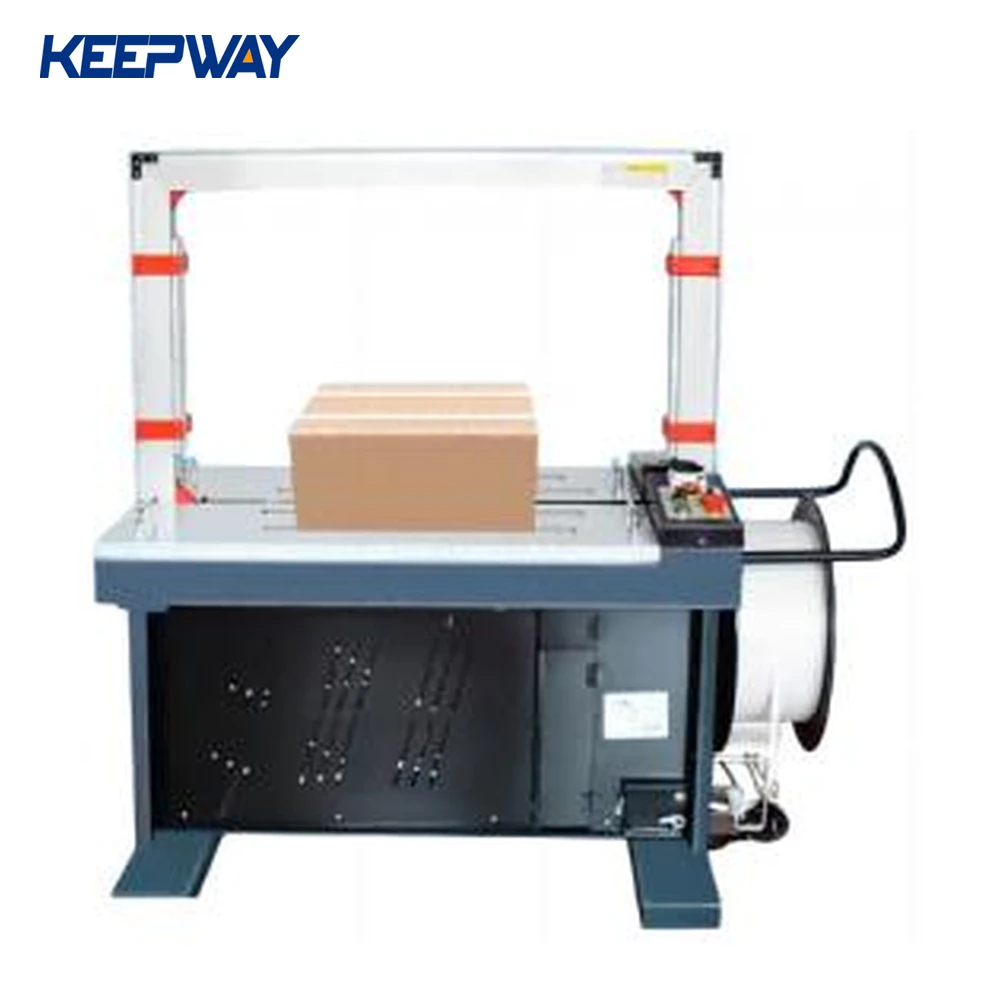
For the KPW-8060 automatic PP strapping machine, the normal purpose of the cycle is to feed a strap around the arch, draw it onto the carton, tension it, heat-seal the joint and cut the strap. Record the last stage completed. Do not treat a machine that never starts in the same way as one that feeds correctly but leaves a poor joint.
Stop using equipment with damaged guards, exposed wiring, smoke, a burning smell or unexpected movement. Follow the supplied isolation procedure before access to moving, cutting or heating parts; an emergency stop is not a substitute for isolating energy. Internal repair and electrical work require competent personnel using the correct service instructions.
Match the symptom to a useful first check
| Observed symptom | Record and check within the operator instructions | Information for support |
|---|---|---|
| No cycle starts | Note the display, indicator lights and selected start mode. Confirm the normal external power connection and operating prerequisites described in the manual. Do not repeatedly reset a protective trip. | Machine identification, displayed message and whether it previously worked with the same setup. |
| Strap does not enter or complete the arch | Note whether the fault began after a roll change. Compare the roll label with the approved strap specification and check roll orientation and accessible routing only as instructed. | Strap width, thickness, reel specification and the visible point where feeding stops. |
| Strap feeds, but remains loose | Record whether the strap is drawn back, whether the carton moves and whether the joint forms. Compare with the last accepted carton and settings record. | Carton dimensions, weight, condition, strap specification and a photograph of the finished loop. |
| Joint is weak, distorted or separates | Hold the affected cartons. Keep a failed joint and an accepted sample if available. Check whether the material or job setup changed. | Clear joint photographs, strap batch, indicated settings and when the result first changed. |
| Strap does not cut, or jams repeatedly | Stop repeated cycling and describe the point of failure. Do not reach into the head, adjust cutting timing or sharpen a blade as a general remedy. | Whether feeding, tensioning and sealing completed before the problem occurred. |
| Repeated stop, unusual heat or intermittent fault | Record the alarm and work pattern. Allow inspection before further operation where a fault persists; repeated cooling and restarting does not resolve its cause. | Duration of operation, approximate cycle frequency, ambient conditions and recent changes. |
If the problem started after changing the strap roll
Compare the new roll with the previously approved material, rather than relying on colour or appearance. Record PP material, width, thickness, core and reel dimensions, supplier and batch reference. Similar-looking straps can have different specifications. The KPW-8060 page specifies PP strap; do not substitute PET simply because it fits into the feed path.
Reloading and accessible cleaning should follow the model's instructions, with the required stop and isolation steps. Use only the specified cleaning method. A roller-pressure change, heater adjustment or sensor alignment needs a model-specific procedure; this article does not provide universal settings. Keep any old material sample so support can compare what changed.
Separate loose strapping from carton damage
A loose loop, a joint that opens and a carton crushed under the strap are different observations. Photograph the whole carton and the affected area. Record whether the package was fully supported, whether its contents shifted, how many straps were applied and where they were positioned. These details help distinguish a setup or packaging issue from a machine fault.
Do not increase tension simply to compensate for every loose result. The suitable setting and acceptance criteria depend on the carton, contents and handling requirement. After an authorised correction, check a representative sample against the agreed packing requirement before releasing the held batch.
Send one complete support record
- Machine model, identification plate and the relevant manual or order reference.
- The exact symptom, displayed message and last successful cycle stage.
- Strap material and dimensions, roll information and any recent supplier change.
- Carton size and weight, straps per carton and the selected operating mode.
- A photograph of the complete setup and failed joint or loop, plus the last accepted sample where available.
- The time the issue began, recent changes and checks already completed.
Keep people outside the working area when recording a fault, and never recreate a dangerous condition for a video. Support can then identify the correct inspection or service procedure and any parts required, rather than asking you to change several settings at once.
When the machine works but the job is too slow
This may be a layout or selection question rather than a fault. Measure the whole carton-handling cycle, including loading, positioning, additional straps and removal. Our carton strapping selection guide explains arch clearance, handling scope and output checks for a new machine or revised workstation.
Keepway service
Two-year warranty, with replacement parts and shipping of those parts supplied free of charge during the warranty period. Lifetime after-sales service and technical support are available.
Need strapping machine support or equipment selection?
For support, send the machine model, strap specification and a clear description of the issue. For a new machine, share the package dimensions, weight, target output and available power supply.
View the KPW-8060 automatic PP strapping machine or compare strapping equipment.