Add: Wanda Plaza, Fuqiao Street, Rencheng District, Jining City, Shandong Province, China
+86-18206519878
   Home > Our Products > Baling Machine > scrap rubber tires shredder machine

Baling Machine

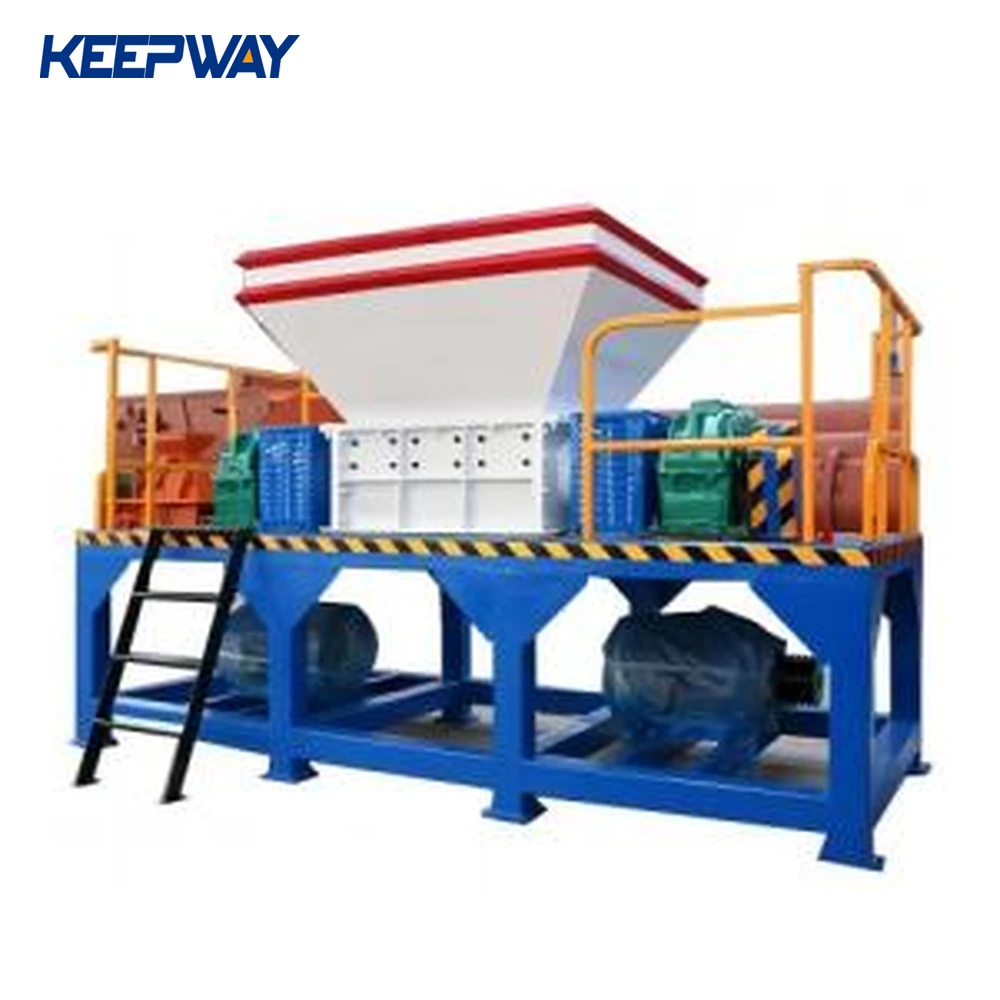
scrap rubber tires shredder machine

  • Category: Baling Machine
  • Views:1466
  • Power:90KW
  • Weight:9.5T
  • Voltage:380V
  • produce:5000kg
  • Product description:tire shredders are mainly used to shred various scrap plastic materials into small pieces or fragments for subsequent recycling and processing. The advantages of the shredder are its good crushing ef
  • INQUIRY  

Does the rubber output need to be a coarse chip or finer granulate?

Ask the next processor for the required output form and any limit on exposed wire. Compare the output of a tire trial with that specification and identify any additional stages needed.

Define my tire output

Scrap Rubber Tire Shredder Machine

The advantages of the shredder are its good crushing effect, strong processing capacity, and wide range of applications. It can crush various scrap rubber materials, such as scrap tire, scrap household appliances, scrap plastic, etc., and turn them into small pieces or fragments for subsequent recycling and processing. In addition, the tire shredder can also control the crushing particle size by adjusting the parameters of the blade and hammer to meet different application needs.
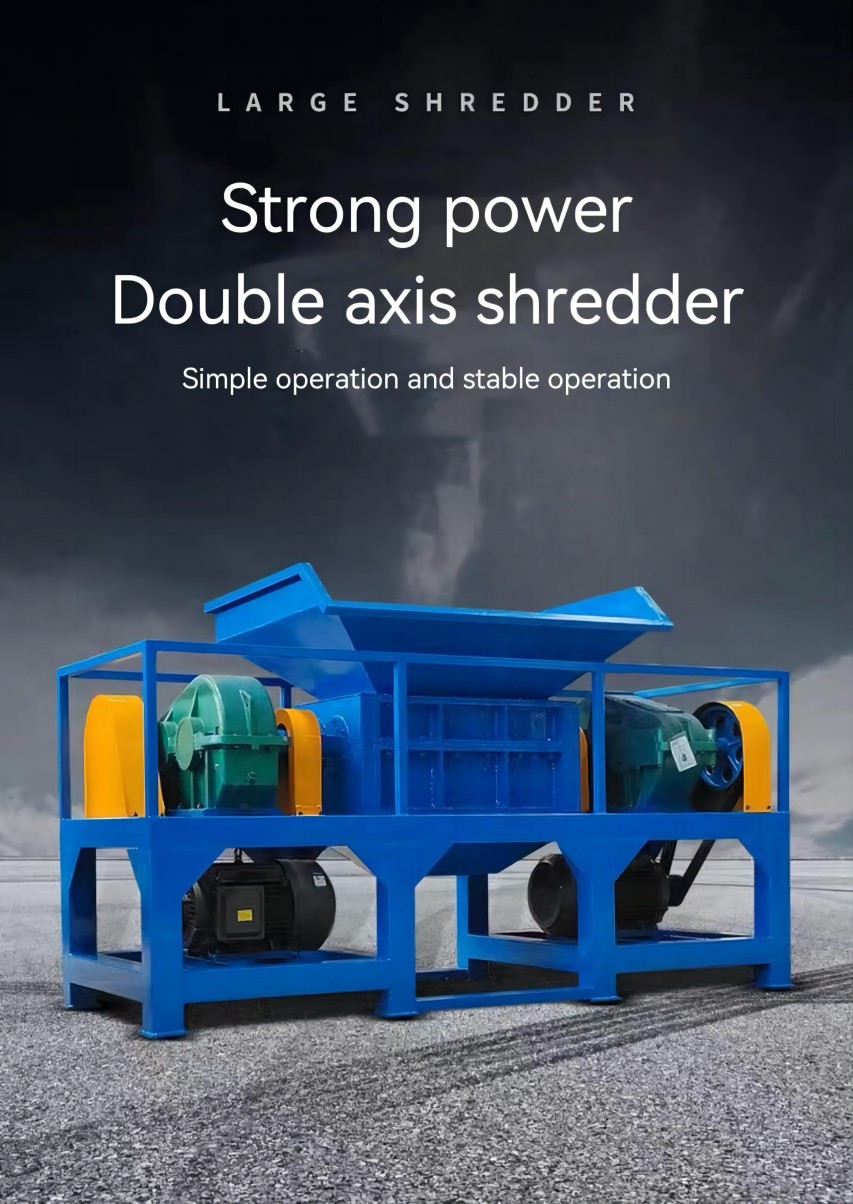
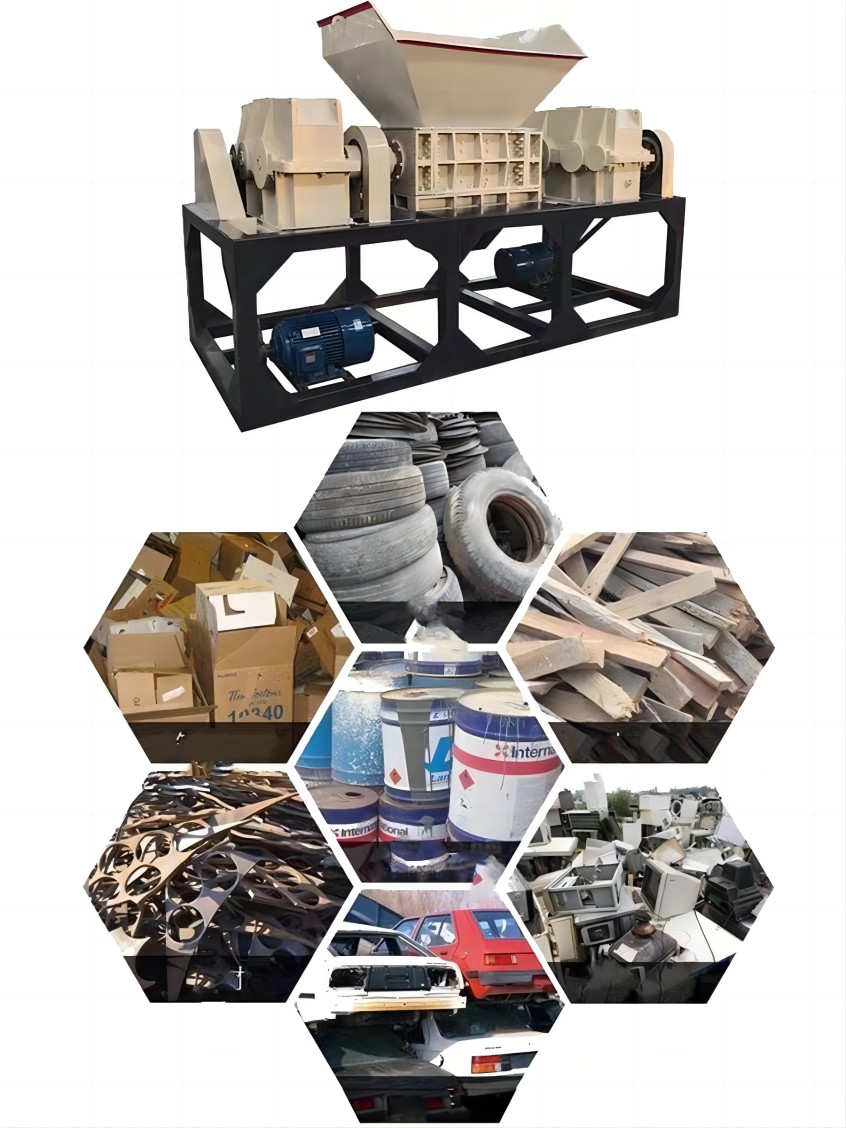
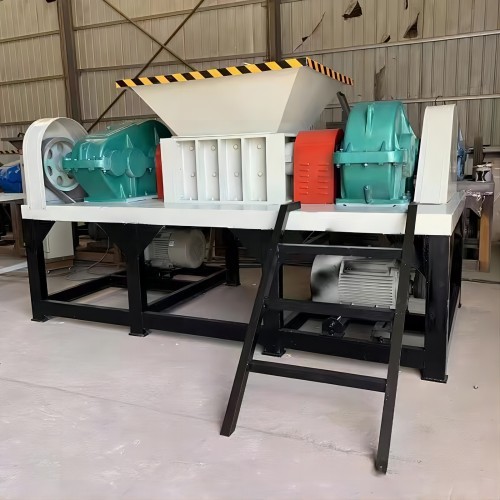
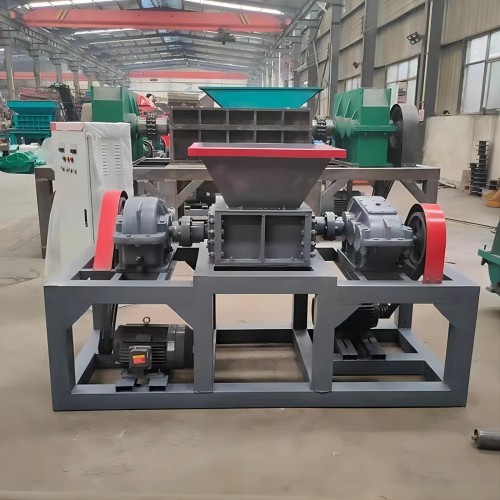
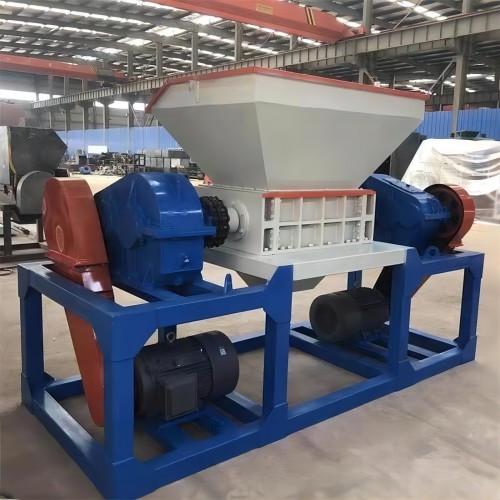
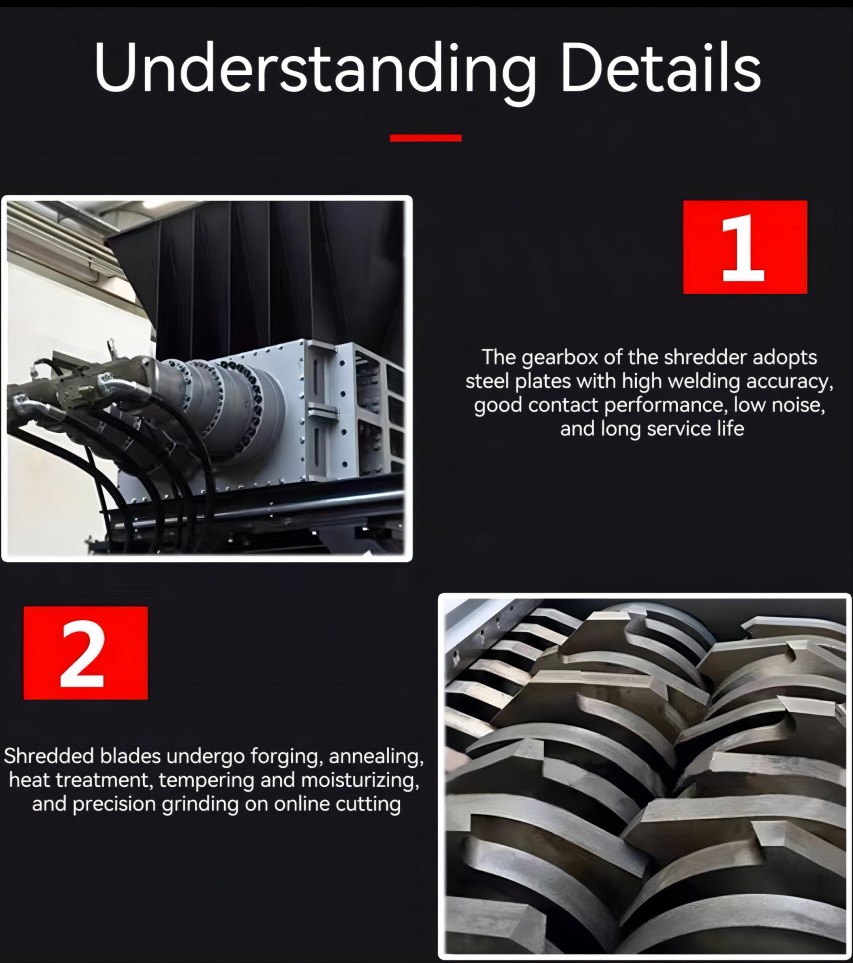
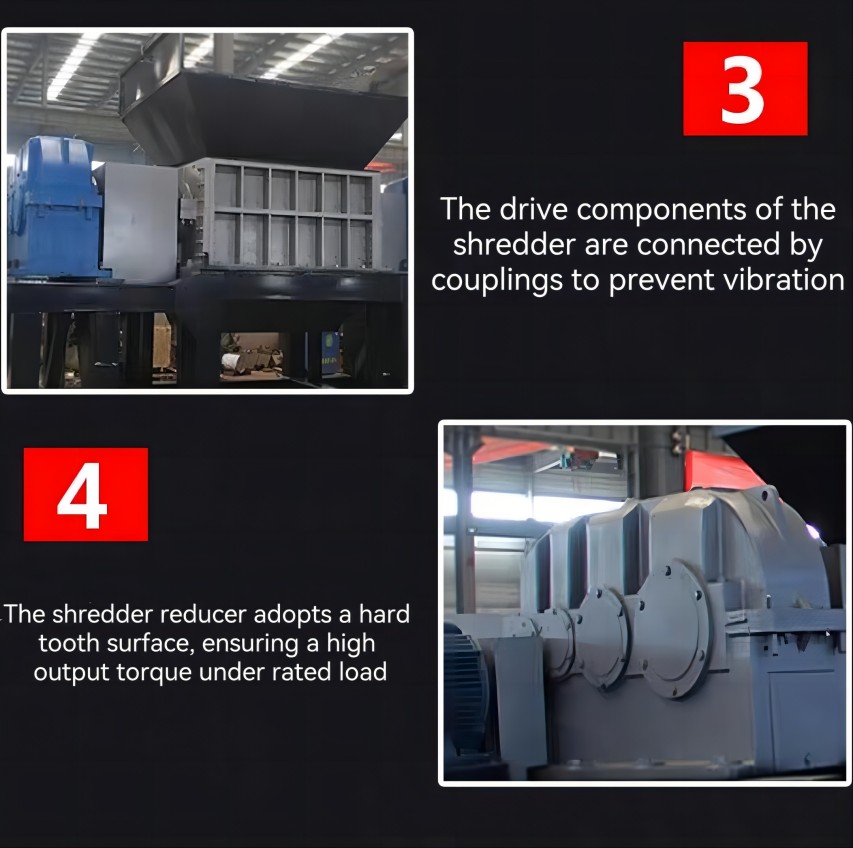
Blue dual-shaft shredder with hopper and two drive motorsDual-shaft shredder with examples of tires, cardboard, timber and scrap materialsClose-ups of a shredder gearbox and intermeshing cutter bladesShredder drive coupling and side reduction gearbox

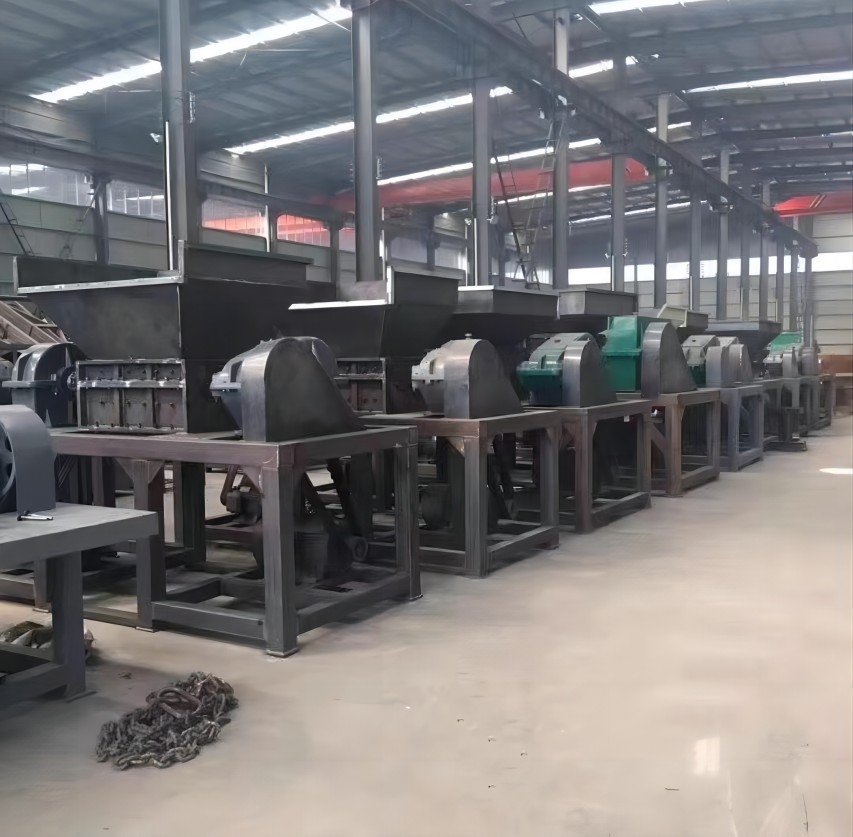
Row of shredders and drive assemblies inside a workshop

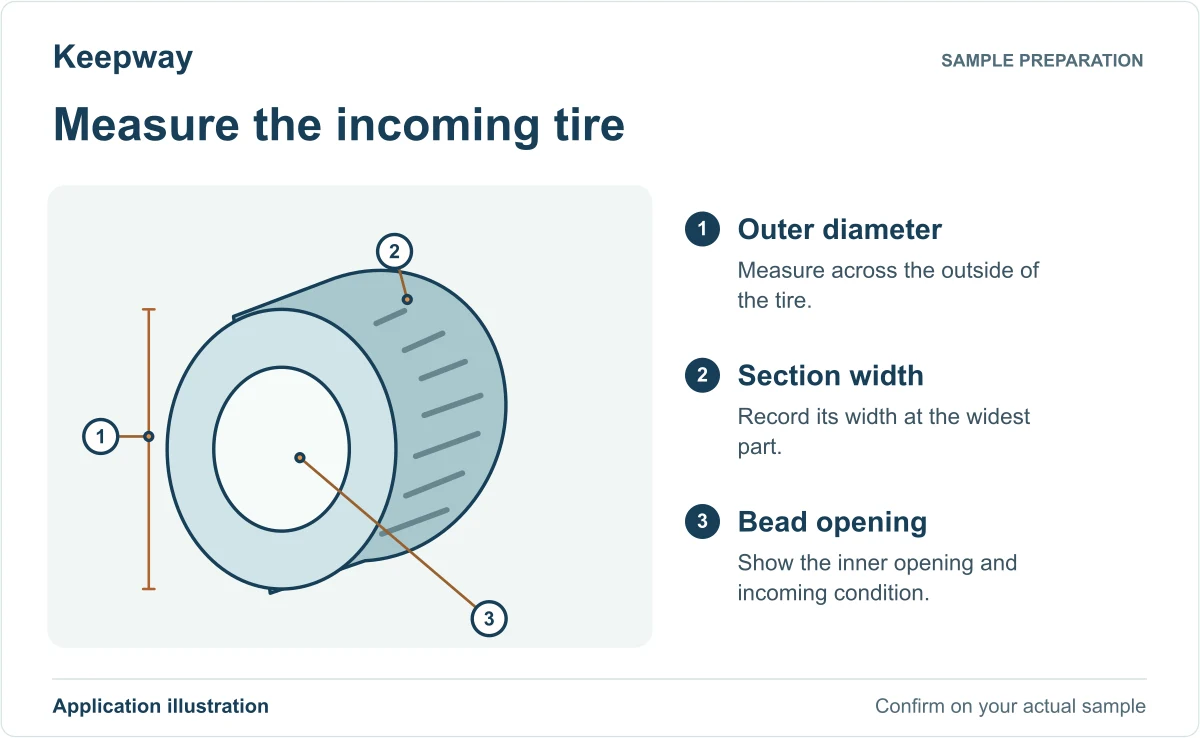
Measure the incoming tire

Illustrated sample guide: Measure the incoming tire. outer diameter, section width, bead opening.
Send overall diameter, section width and a side-view photo. Describe whether tires arrive whole or pre-cut.
Read the three sample checks
  1. Outer diameter — Measure across the outside of the tire.
  2. Section width — Record its width at the widest part.
  3. Bead opening — Show the inner opening and incoming condition.

Inquiry