
A soft mailer failed its dimension check. Should you remeasure or repack it?
A sealed hoodie mailer reaches dispatch. Its barcode scans, but its recorded height falls outside the range your warehouse accepts. The bag can still look perfectly shippable. Before anyone squeezes it flatter or opens it, hold that parcel with its original reading. The next decision depends on which part of the job failed.
Download the one-page soft mailer recheck sheet (fillable PDF)
Hold the right parcel and its first reading
Give the parcel a temporary exception ID. Record the parcel identifier, time, station, units, raw length, width, height, weight and the reason the operator stopped it. Record a missing reading as missing. Photograph the sealed bag as it arrived, including the protruding fold or loose corner. Use a masked label for any photograph shared outside the warehouse.
Compare the physical label with the identifier on the measurement record. For a mismatch, hold both records and trace the handoff before measuring again. An acceptable height attached to a different order still leaves the original exception unresolved. Trace a barcode, weight or dimension to the correct parcel.
Choose the next action from what you can see
- The same parcel is intact and the identifier matches.
- Check that the bag is within the agreed size, material and presentation limits. Run a stable rigid reference using the station's approved procedure. If that reference also fails the agreed check, put the station's results on hold for review. If it passes, re-present the sealed bag as specified for the trial. Preserve the first and subsequent readings with the parcel's orientation. Set up a sample trial for flexible parcels.
- The garment or bag closure needs work.
- A sleeve trapped in the seal, an open seam or an insert protruding from the opening calls for a packing inspection. Record what was found before disturbing it. After an approved refold, rebag or reseal, give the new packing state its own run ID, confirm the shipment label and measure the finished parcel again. A result from a repacked garment belongs to that new packing state.
- The ID and closure are sound, but the result changes with handling.
- Keep the sample aside for a dimensioning review. Supply one untouched presentation and a separately identified repositioned presentation. Note whether the parcel slumped, rolled or changed height when placed. Agree how the relevant carrier or warehouse defines the outer dimensions. For example, UPS Canada describes an irregular parcel using a rectangular envelope around its outermost points. UPS Canada guidance on measuring irregular packages.
Close the exception with a dispatch decision
Suppose a sweatshirt cuff is caught in the seal. The packer photographs the fault, repacks that order and records a second run. The supervisor can release the final parcel once its closure, identity and reading meet the agreed checks. For the shift record, that is one dispatched order, two packing states and one rework event. Counting both readings as shipped parcels would hide the cost of rework.
Where the untouched bag still has inconsistent readings, record who owns the review and which shipping decision is on hold. Keep the original result, subsequent runs, the disposition and the reviewer together. Before a pilot, agree who may release an exception, which reference and tolerances apply, and how the dispatch record will retain the correction. The PDF is a manual trial record. Confirm the data fields and interfaces separately for your software.
Send the exception to the right equipment review
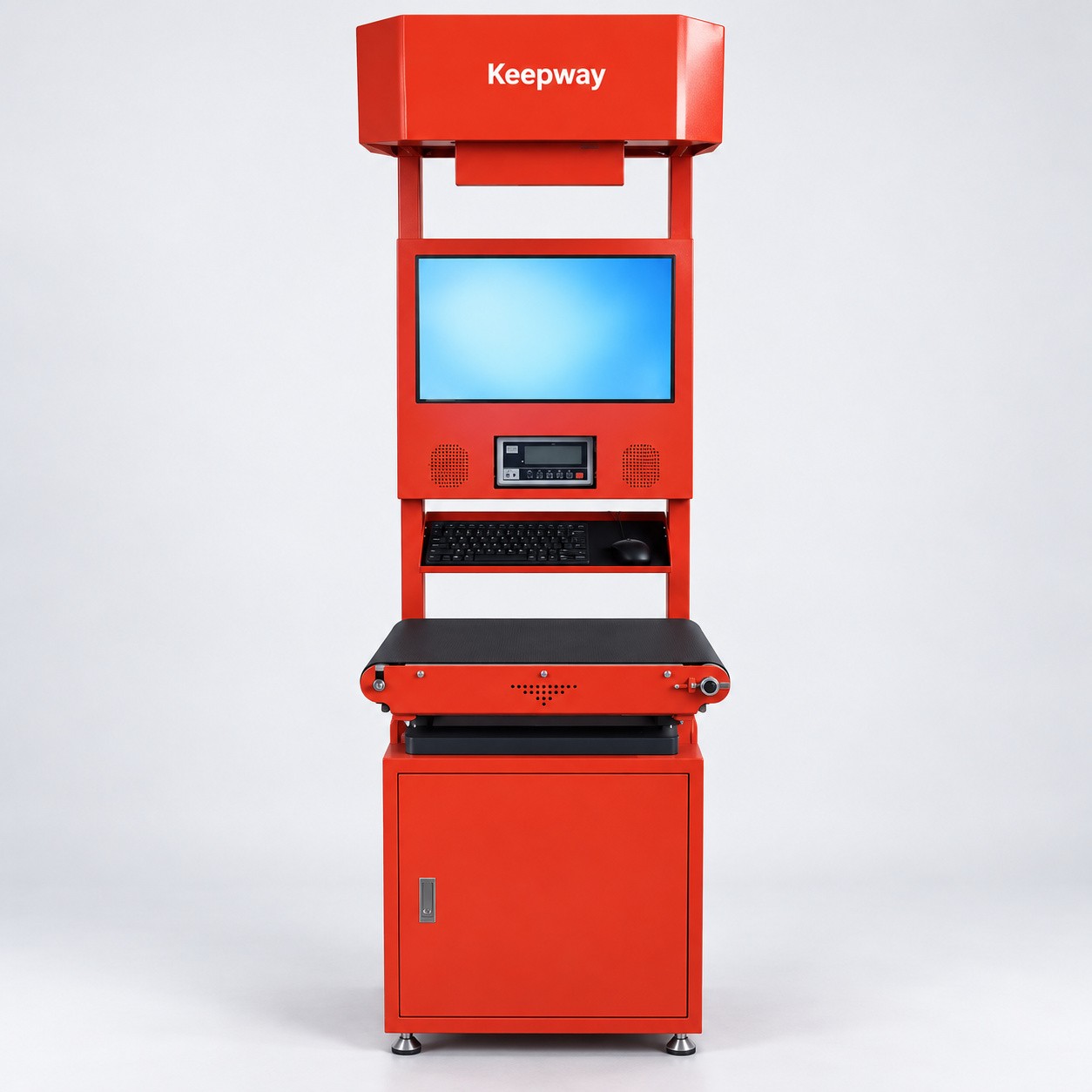
- For a measurement issue, send the packed sample range, raw readings with units, two presentation photos, the agreed reference method and your disposition rule. Say whether the operator removes parcels by hand or needs belt-assisted discharge. Request a DWS sample and exception review.
- For folded clothing that reaches the seal, send garment dimensions after folding, filled thickness, proposed mailer dimensions and the point where the cuff or insert catches. Review my garment fold and bag opening.
- For bag rolls that fail to open or seal consistently, set aside a short length from the affected roll, note the lot and keep an accepted bag for comparison. Discuss a KPW-650 bag-roll trial.