
PACKAGING TRIAL GUIDE · 19 OCTOBER 2026
Loose Ties or Marked Bundles? A PE Rope Tying Machine Sample Trial
A completed knot is only one part of an acceptable bundle. Before approving a rope tying machine, check whether the tie stays where it is needed, the contents remain together and the package surface is acceptable after normal handling.
This guide is for packing teams grouping cartons, printed materials or other suitable bundles. It provides a recordable trial method for comparing the proposed rope and machine configuration. It is not a transport certification or a universal tension setting.
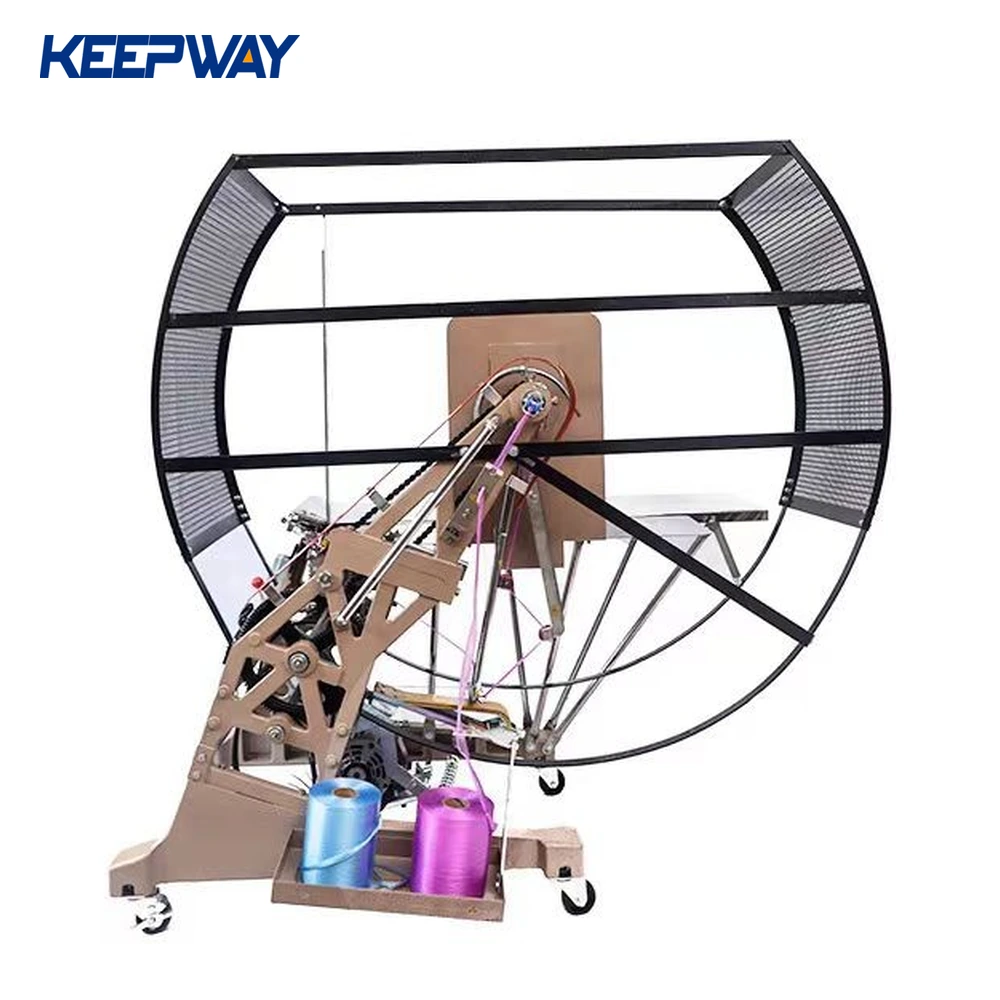
1. Select the bundle that causes the problem
Start with the actual packing job. A rigid, evenly filled carton and a soft or uneven bundle may behave differently even when their outside dimensions match. Identify the smallest, largest and most compressible examples in normal production. Keep different constructions as separate sample groups.
Record length, width, height, weight, contents and surface condition before tying. Note whether the bundle is already compressed, whether sheets can slide, and where an exposed corner or printed face must remain undamaged. Include a photograph of each sample before the trial so existing marks are not attributed to the machine.
Define the required tie positions and the permitted knot location. If the receiving operation needs an unobstructed label, an accessible opening face or a clear stacking surface, mark those areas on a sample photograph. Do not assume that the machine can produce every requested pattern without confirming the configuration.
2. Identify the exact rope and starting condition
Keep a sample of the proposed rope with its supplier description, material designation, nominal size and reel details. Record the machine configuration and the settings used by the trained operator. A familiar material name alone is not enough to establish that two consumables will behave alike.
Use the approved operating procedure. If a fault requires access to the knotting mechanism, rope path or moving components, stop and follow the machine's isolation and service instructions. A buyer's trial record should describe the symptom; it should not become an improvised adjustment procedure.
Change one agreed factor at a time, such as the sample construction, approved rope or an operator-accessible setting. Label every run so a better-looking result can be traced to a specific combination. Keep failed samples and record retests separately.
3. Inspect immediately, after settling and after normal handling
Check the bundle immediately after tying, then again after a settling interval agreed for the real workflow. Finally, use the intended supported transfer or stacking process and inspect once more. Record the actual elapsed times and handling steps; an arbitrary waiting period is not proof of suitability for a different storage or shipping route.
| Observation | What to record | What the observation does not prove |
|---|---|---|
| A loose loop or a tie that moves | Loop position, bundle dimensions, knot appearance and any change after settling or handling | It does not identify one cause by itself; distinguish bundle change, rope movement and knot movement |
| Indented edges or marked faces | Location and severity, before/after photographs, sample construction and settings | A secure bundle is not automatically acceptable if the surface is damaged |
| Contents shifting inside the tie | Which items move, the handling step involved and whether tie position changes | A tight-looking loop does not establish control of every item in the bundle |
| A knot in an inconvenient place | Position relative to the label, opening face and stacking surface | A visually complete knot can still obstruct the next packing operation |
Use consistent photographs with a scale or reference marker where measurement is needed. Inspect the contact points as well as the knot. Do not lift or suspend a load by its tying rope unless the complete arrangement has been specifically designed and approved for that duty.
4. Separate holding performance from station output
First agree which bundles pass the holding and appearance checks. Then measure practical output using those accepted bundles. Include positioning, each required tie, repositioning, unloading, checks and interruptions. A short knotting cycle does not describe the time required to complete a multi-tie package.
For example, calculate accepted bundles per hour as accepted bundles divided by observed minutes, multiplied by 60. Report the observation duration and sample mix alongside that figure. Do not extrapolate a brief demonstration into an uninterrupted shift or count rejected bundles as completed production.
5. Write an acceptance decision that can be repeated
Before the trial, agree the allowed movement, surface condition, knot position, handling sequence and review interval for the application. Use measurable limits where the buyer and supplier have defined them. This guide does not supply a universal numerical pass limit.
- Identify the sample group, configuration, rope and settings.
- Record each run, including failures and the reason for any retest.
- Attach before/after photographs and the actual handling sequence.
- Separate approved combinations from combinations that still need investigation.
- Retain an approved sample and the agreed record for a later comparison.
Download the blank PE rope bundle trial record. Leave the result fields blank until the trial has actually been performed.
Questions to resolve before ordering
Does a loose tie always mean that the machine needs more tension?
No. Record whether the package changed shape, the loop moved or the knot changed. Review the specific sample and rope with the supplier before changing the approved setup.
Can one successful carton prove that books or soft bundles will work?
No. Test representative constructions separately. Surface condition, compressibility, size and the way the bundle is handled all belong in the assessment.
Does rope tying replace carton closure or pallet restraint?
Not automatically. State the required function and keep carton sealing, bundle grouping and pallet-load restraint as separate decisions unless a complete system has been specified and validated.
Discuss the bundle and the required result
Send bundle dimensions and weight, photographs, rope details, tie positions, handling steps and the defect you need to avoid. Include target output and destination power supply. Keepway can review these details against the proposed configuration.
Request a rope tying sample assessment View the PE rope tying machineFor broader equipment selection, read PE rope binding machines for cartons and bundles, or compare the routes in Strapping & Banding Machines.
Industry terminology reference: Felins tying machine overview, reviewed 19 October 2026. It distinguishes equipment and tying materials by application. Competitor specifications and performance claims are not Keepway specifications; the trial method above is an application review checklist.