KEEPWAY
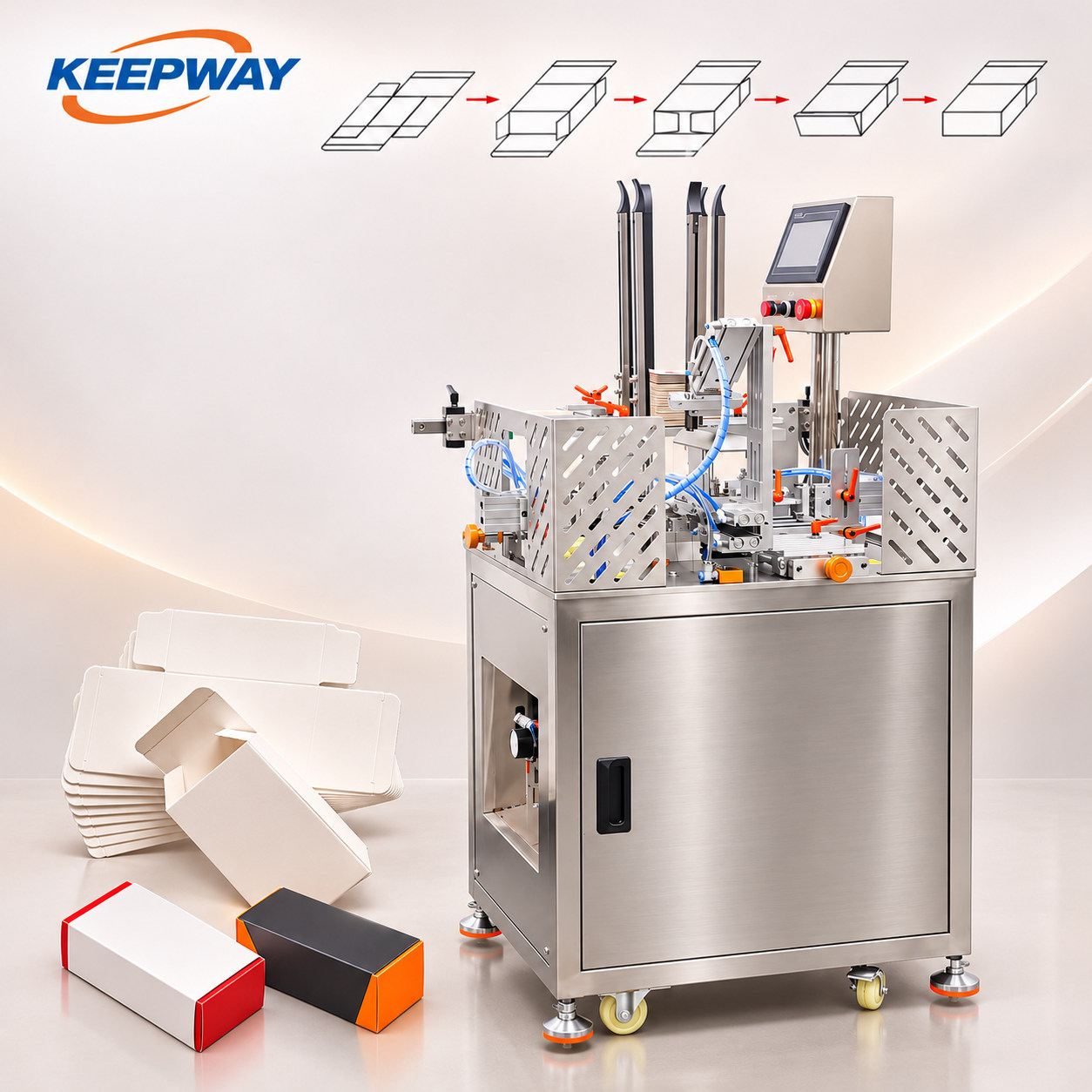
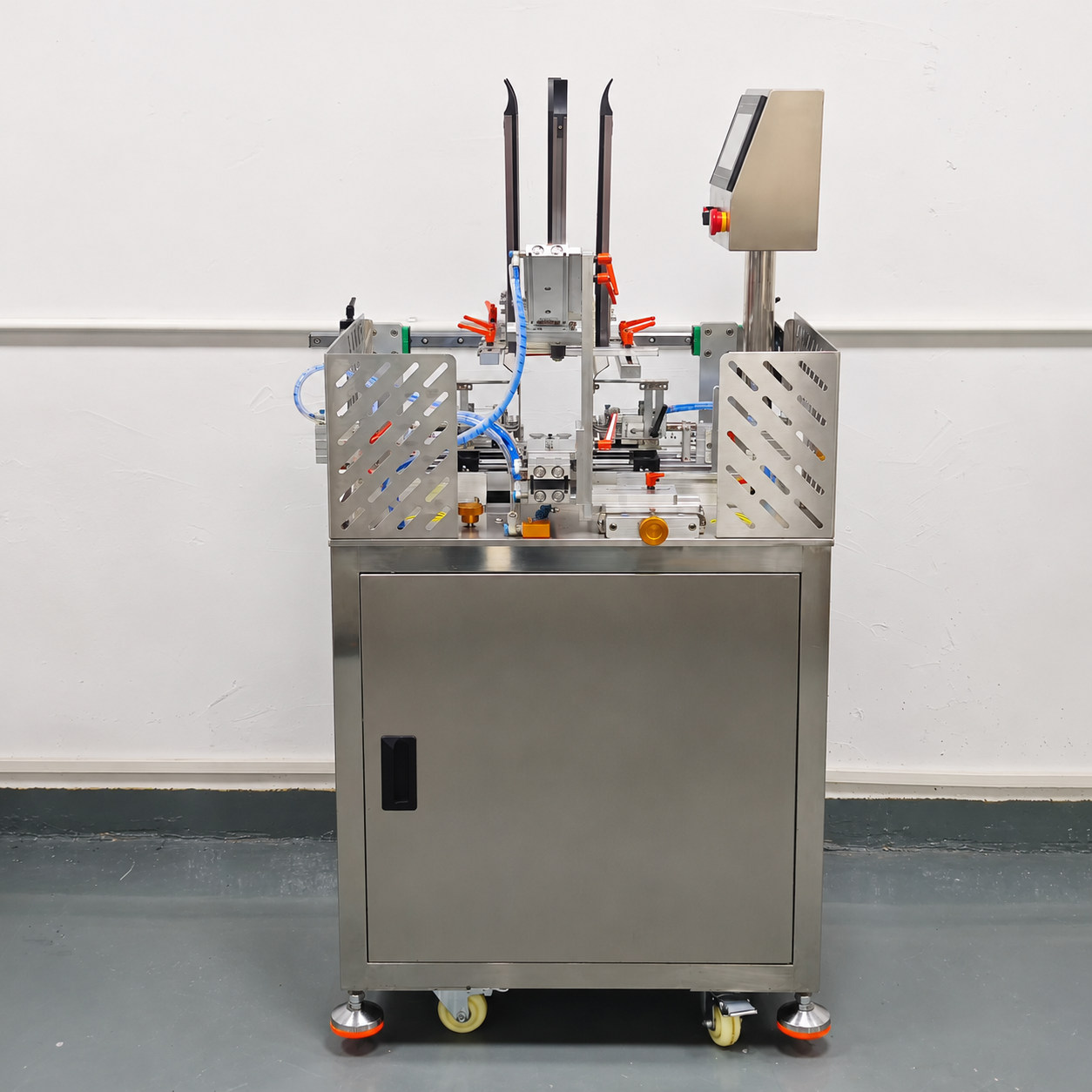
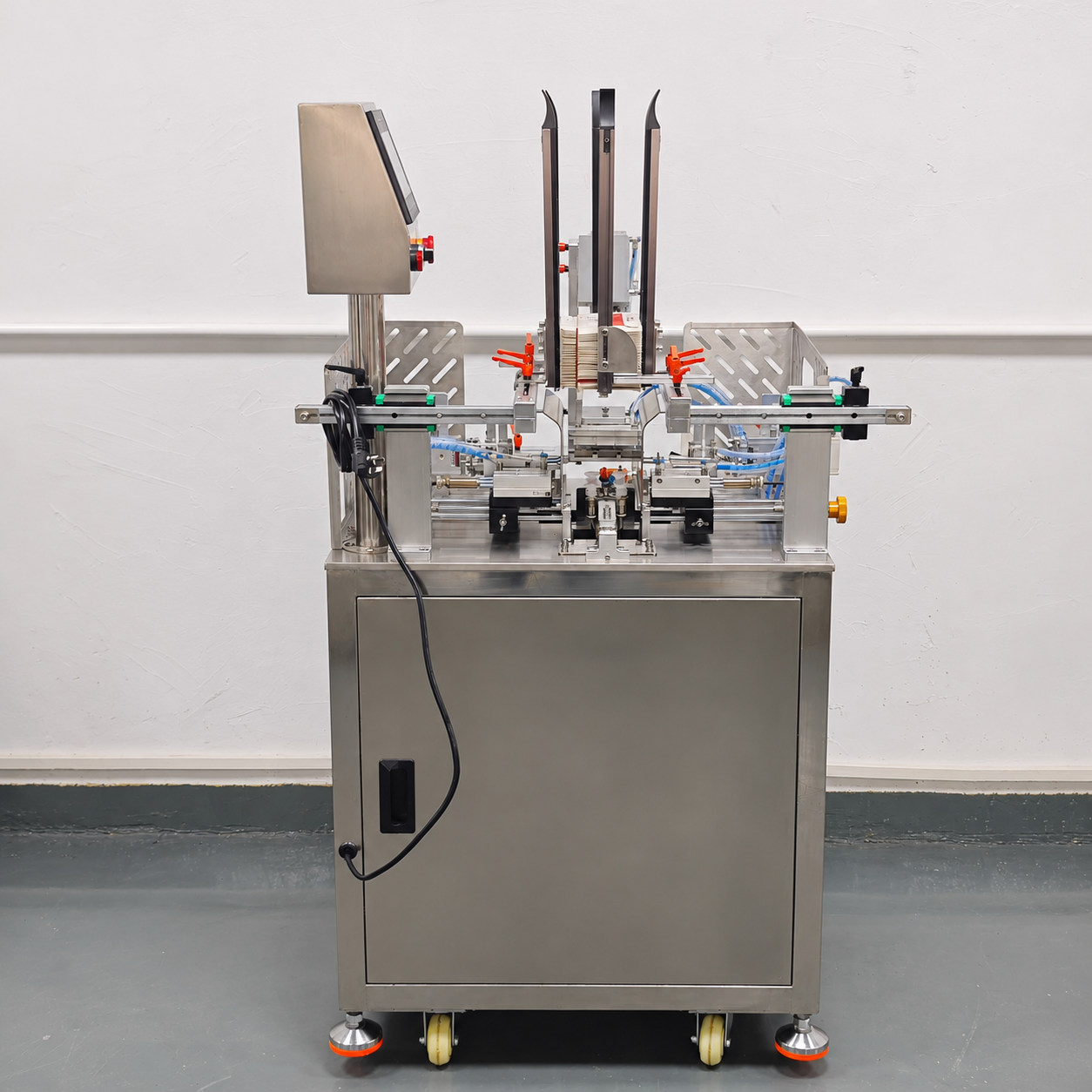
Carton blank sample checklist and machine views
Use this sheet to request a bottom-forming trial for a small paperboard folding carton with a tuck-in or locking bottom. Prepare a flat blank and a hand-folded box from the same production lot.
Small automatic folding carton former
What to send with the sample
- Finished carton dimensions. Give length × width × height in millimetres. Mark each axis on a photo of the folded box and specify inside or outside dimensions. Identify the smallest and largest sizes if several cartons share one machine.
- Board and thickness. Record the board grade and its thickness in millimetres, measured on a flat, uncreased area. Note any coating, lamination or window near the bottom folds.
- Dieline and closure. Mark the bottom end on a dimensioned dieline or a photo of both sides of the flat blank. Show which flap folds first, where the tongue enters and where the lock engages. Identify any side seam already glued by the carton supplier.
- Target output. Specify the number of acceptable formed cartons needed per minute. List the carton sizes and expected size changes per shift so the trial can be planned around your product mix.
Sample or SKUBoard thickness (mm)Target cartons/min
What to check on the formed box
Use the hand-folded sample as the reference. Check that the tongue is fully seated, the locking flaps stay engaged, the corners are square and the board has no torn or crushed edges. For a load check, specify the intended product weight and how the pack will be handled.
Agree on a trial run length and acceptance criteria. Record the total formed, accepted and rejected cartons against elapsed time. Photograph the underside of an accepted box and the defect on any rejected one.